Chamique Holdsclaw Discusses Mental Health and Suicide Prevention

9/28/2016 Keynote speak­er for sui­cide pre­ven­tion week: Chamique Hold­sclaw by Jun­bo Huang

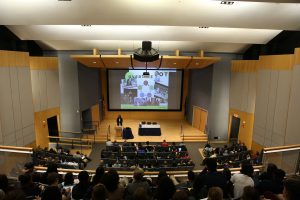
For­mer WNBA play­er and three-time NCAA cham­pi­on, Chamique Hold­sclaw spoke at the Uni­ver­si­ty of Con­necti­cut dur­ing UConn’s sui­cide pre­ven­tion week as a keynote speaker.


In her stir­ring speech, she invit­ed the audi­ence to look at her career that was entan­gled with her life­long bat­tle of men­tal ill­ness. Hold­sclaw near­ly end­ed her career and life because she did­n’t get the help she needed.

 Now that she is com­fort­able with telling her sto­ry, she has become a men­tal health advo­cate and goes around the coun­try to dis­cuss her accom­plish­ments, set­backs, and her path to find­ing men­tal stability.


If you don’t ask for help you will not get it” said Holdsclaw.

Hold­sclaw start­ed her speech with her hum­ble begin­nings in Queens, New York City. There she lived with her par­ents who suf­fered from addic­tion prob­lems. Since her par­ents were unfit to care for her, she was whisked away to her grandmother’s house in the projects. The social and finan­cial change of going from a mid­dle class envi­ron­ment to the projects took a toll on Hold­sclaw.  Said she had to find her own path to hap­pi­ness and that was basketball.


Bas­ket­ball was my cop­ing mechanism…my drug,” Hold­sclaw said.


Bas­ket­ball was an escape from her life and it made her hap­py. It gave her a chance to take out her tem­per tantrums on the court. Her time on the court was worth it because she had a chance to go to the Uni­ver­si­ty of Ten­nessee. There she won three nation­al cham­pi­onships. Her coach, Pat Sum­mitt, not only guid­ed her the court but helped her tran­si­tion from the diverse city of New York to a pre­dom­i­nant­ly white uni­ver­si­ty in Tennessee.

                While in school, Holdsclaw’s grand­moth­er updat­ed her of her father’s men­tal state. She was informed that he was detained for hitch­hik­ing, and was sent to a men­tal insti­tu­tion, after being diag­nosed with schizophrenia.

 Hold­sclaw said she want­ed to com­pre­hend her father’s ill­ness, but began to doubt her own san­i­ty. Said she con­tin­ued to resist to look­ing for pos­si­ble treat­ment, due to ongo­ing stig­ma and stereo­types regard­ing men­tal health illnesses.

                After grad­u­at­ing from the Uni­ver­si­ty of Ten­nessee, see was recruit­ed to the WNBA to play for the Wash­ing­ton Mys­tics. Hold­sclaw won the Rook­ie of the Year award but she said it did not sat­is­fy her because her team failed to win many games.

 Her depres­sion wors­ened fol­low­ing the death of her grand­moth­er, and she iso­lat­ed her­self from her team­mates and social life, she said

                Again Sum­mitt came back to help her and after a vis­it Hold­sclaw sought pro­fes­sion­al help. She start­ed tak­ing pre­scribed lithi­um as she con­tin­ued to play pro­fes­sion­al basketball.

In 2007 Hold­sclaw retired from pro­fes­sion­al bas­ket­ball but then returned lat­er for two more sea­sons until she had an injury that end­ed her career on the court.

Though her career was over, her men­tal ill­ness still went on, she was los­ing con­trol of her­self. Hold­sclaw said she didn’t know who I was any­more. She was at the edge and ulti­mate­ly attempt­ed suicide.

In 2012 Hold­sclaw end­ed up in jail for attack­ing the car of a for­mer part­ner with a base­ball bat. Hold­sclaw said being in jail allowed her to see her­self at rock bot­tom. It gave her the time to reflect and influ­enced her deci­sion to will­ing­ly seek help on her own. She said, the men­tal break led to her being diag­nosed with bipo­lar disorder.

She said, as she received pro­fes­sion­al treat­ment and made health­i­er life choic­es, her depres­sion does not take over her life any­more, she said. Since she has found men­tal sta­bil­i­ty she now has the strength to share her sto­ry across the nation.

You are the new gen­er­a­tion, the new voice,” Hold­sclaw said. She remind­ed the stu­dents that they are the next gen­er­a­tion and that they have to speak out about men­tal ill­ness and seek help when they feel they need it.

The speech was well received by the audi­ence it helped stu­dents think about men­tal health and its com­mon­al­i­ty among peo­ple. Jeffny Pal­ly, 19, sopho­more at UConn said,

Real­ly inter­est­ing espe­cial­ly because she is well known and decid­ed to come to our school. It was brave of her to talk about her ill­ness. I learned life is like a wave. “

The audi­ence enjoyed how Hold­sclaw stepped out of her­self to expose her flaws Riya Abra­ham, 20, a junior at UConn said she enjoyed the talk.

 “Dif­fer­ent from oth­er talks because she is human­iz­ing her­self despite how suc­cess­ful she became, she was being real with us,” Abra­ham said.

The Havana Cuba All-Star First Time in the States

10/21/16 Havana Cuba All-Stars by Owen Bonaventura

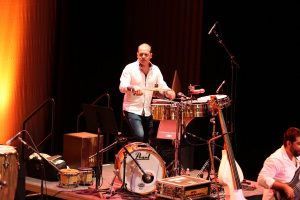
It was a his­toric night on Fri­day Oct. 21st, for the first time in the Unit­ed States, The Havana Cuba All-Stars per­formed music root­ed in their Cuban her­itage, since the Unit­ed States and Cuba restored diplo­mat­ic rela­tions in 2015.

 “Most of them thought they would nev­er see this country…They are elat­ed to see the U.S., they are like kids in a can­dy store. They are in awe by lit­tle towns and big cities and extreme­ly glad Pres­i­dent Barack Oba­ma eased the restric­tion”, said com­pa­ny man­ag­er Peter Dake. 

Dake man­ages the 11 mem­ber band as they tour across the Unit­ed States.

The Havana Cuba All-Stars pre­formed music that was infused with tra­di­tion­al African and Span­ish styles.

 “The Cuban (Son) dance styles that came into Cuba in 1917, It start­ed in Guan­tanamo (tra­di­tion­al music) then moved out West to Havana where it became its own unique style, Dake said. “Because of the African influ­ence, Son uses ban­jo, cow bells and the Tres guitar(unique to Cuba).”


                Since rela­tions have improved, many Cubans are pleased that they can final­ly go back to their coun­try and see their fam­i­ly again. They are also thrilled that their cul­ture can now be shared with the Unit­ed States with­out any repercussion.

 “It’s an hon­or to see them, as a Cuban, them rep­re­sent me.” said a con­cert attendee and Cuban-Amer­i­can Odalys Padron. Padron has had first­hand expe­ri­ence with the tumul­tuous rela­tion­ship between the two nations. Her par­ents were exiled because she was born in the U.S. at eight months instead of being born in Cuba.

I grew up in Amer­i­ca with Cuban cul­ture in my house”, she said.  This is fact for many Cuban-Amer­i­cans who have nev­er been able to expe­ri­ence their cul­ture at this lev­el. They had to use food music and lan­guage to make up for the emp­ty void that many peo­ple devel­oped because they were exiled from their home. Some are lucky enough to go back and see their coun­try again.

I’ve been there three times”, Par­don said “Going with my moth­er she would explain that there used to be a gro­cery store there or there used to be a post-office there… It’s a bit­ter sense of the remains of my country.”

Since the sev­ered polit­i­cal ties with the Unit­ed States, Cuba has been frozen in time with vin­tage cars and old fash­ioned buildings.

The Huff­in­g­ton Post report­ed that the embar­go put mil­lions into pover­ty. Since the 1959 rev­o­lu­tion, all Cubans received less than 471 pesos ($20) a month which is bare­ly enough to sur­vive or since social­ism is the cur­rent gov­ern­ment prac­tice of Cuba, it is hard for the cit­i­zens to make a liv­ing. The sys­tem is based on shar­ing the wealth, so it allows the gov­ern­ment to reg­u­late the com­mu­ni­ty as a whole. Even doc­tors and pro­fes­sors, tra­di­tion­al­ly high-pay­ing posi­tions, are paid equal­ly to a per­son who does not have the same lev­el of education.

For the past six­ty years, since the sev­ered U.S rela­tion­ship, there has been an increase in Euro­pean and Cana­di­an tourism that has helped reduce the pover­ty in Cuba.  This gave Cuba anoth­er chance to build its econ­o­my after the U.S. embar­go and the loss of the Sovi­et Union’s finan­cial sup­port. This has allowed Cubans to con­vert their home into rentals for tourists.

Since the embar­go has been lift­ed, Amer­i­cans are now allowed to vis­it Cuba and pur­chase items such as cig­ars and rum. In return Cubans can now vis­it the U.S. The two coun­tries now have a chance to squash any prob­lems from past poli­cies. Music and cul­ture are some of the eas­i­est ways for us to mend old wounds.


It is only the begin­ning”, said Mitchell Par­don a mem­ber of The Havana Cuba All-Stars in regard to the new rela­tion­ship. The group hopes to return to the U.S. Dake said, “We are already look­ing at 2018.”

Students stand with Standing Rock on National Day of Solidarity


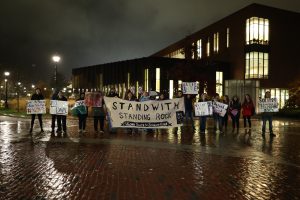
11/15/16 Stand­ing Rock Protest. Pho­to by Owen Bonaventura

On Nation­al Day of Sol­i­dar­i­ty, about two dozen Uni­ver­si­ty of Con­necti­cut stu­dents took to Fair­field Way in the freez­ing rain to protest against the “Dako­ta Access” pipeline (DAPL) in North Dakota.

The “Dako­ta Access” Pipeline (DAPL) is a fracked-oil pipeline that will cost $3.8 bil­lion and will span for about 1,100 miles. It is cur­rent­ly under con­struc­tion from the Bakken shale fields of North Dako­ta to Peo­ria, Illinois.

DAPL is sched­uled to cross Lako­ta Treaty at Stand­ing Rock Sioux Reser­va­tion where it would be laid under­neath the Mis­souri Riv­er, the longest riv­er on the con­ti­nent. Con­struc­tion of the DAPL would engen­der a renewed frack­ing-fren­zy in the Bakken shale region, as well endan­ger a source of fresh water for the Stand­ing Rock Sioux and 8 mil­lion peo­ple liv­ing down­stream. DAPL would also impact many sites that are sacred to Stand­ing Rock Sioux and oth­er indige­nous nations.

Very disheartening…graves are being des­e­crat­ed” said Har­mo­ny Knud­sen a sopho­more at UConn. Knud­sen is a Native Amer­i­can stu­dent and the head of the Native Amer­i­can Cul­tur­al Pro­grams. She is a mem­ber of the Pon­ca Tribe of Nebras­ka. She orga­nized the protest so that she could be a part of the movement.

I have fam­i­ly protest­ing right now in North Dako­ta, since I can’t be there now I was to spread aware­ness to the UConn com­mu­ni­ty. The DAPL is frack­ing through scared land, it needs to be stopped.”

 The DAPL is a mas­sive project being orga­nized a group of the world’s largest fos­sil-fuel com­pa­nies and banks. They have offices in cities around the world. Putting pres­sure on cor­po­ra­tions and fund­ing this project for sup­port­ing front­line resis­tance to DAPL.

It’s quite inter­est­ing how all these banks and com­pa­nies can come togeth­er to destroy pri­vate and scared prop­er­ty with­out per­mis­sion of the Lako­ta peo­ple and they suf­fer no reper­cus­sions. “Native Amer­i­can ally and senior Kathaine Kim­ber­ly said.

The com­pa­nies build­ing DAPL were able to secure a $2.5 mil­lion loan from a col­lec­tion of banks to build the pipeline. But the pipeline com­pa­nies can only access $1.1 bil­lion of this loan until cer­tain progress is made on the pipeline project. Three of the main lenders are Cit­i­group, TD Secu­ri­ties and Mizuho Bank.

Some argue that the DAPL will start an eco­nom­ic boom in across the states that it span and that the tech­nol­o­gy used to con­struct it is the safest way to trans­port bil­lions of bar­rels. It would also decrease the reliance on for­eign oil and it would free up rail­ways trans­port crude oil. But there is a high risk of an envi­ron­men­tal disaster.

This pipeline not only dis­turbs sacred land of the Native Amer­i­cans but it can be an envi­ron­men­tal cat­a­stro­phe. The Native Amer­i­can peo­ple have went through so much in this country’s his­to­ry and now we are tak­ing back the only promise we had for them” Soci­ol­o­gy Pro­fes­sor Ronald Tay­lor said.

The oil could poten­tial­ly pol­lute the Mis­souri Riv­er which is a source for about 8 mil­lion peo­ple. Since the Mis­souri Riv­er is con­nect­ed to the Mis­sis­sip­pi Riv­er, the main artery of the Unit­ed States, it could eas­i­ly pol­lute the Mis­sis­sip­pi Riv­er and then ruin water sources for over 30 mil­lion people.

As an ally I try to bring sup­port to a group who needs their voic­es to be heard…I lis­ten and care for the peo­ple of Stand­ing Rock. It’s time for us allies to rise up and stand against what’s wrong. ”

Hun­dreds of peo­ple have come from all around the world to protest against DAPL. In the process they have been arrest­ed, pep­per sprayed in the face and shot by rub­ber bul­lets. But they are still fight­ing through and stand­ing their ground. More than 200 tribes across the nation have declared their sup­port and protest­ed for the Stand­ing Rock Sioux Tribe.

Every lit­tle sign, every per­son, every chant helps us get the mes­sage out,” said Knud­sen “in uni­ty we will prosper.”

On the nation­al day of Sol­i­dar­i­ty UConn stu­dents, both Native Amer­i­can and allies, spent over two hours chant­i­ng songs and phras­es to bring aware­ness such as “Water is Life” or “Who stands with stand­ing rock? UConn stands with stand­ing rock!” Their chants were echo­ing through­out Fair­field way.

The DAPL project is not just the prob­lem of the Native Amer­i­cans of North Dako­ta, it is a greater issue of all Amer­i­cans. Water is some­thing humans can’t live with­out and the Dako­ta Access Pipeline has to rec­og­nize the poten­tial dam­age that it may cause to the envi­ron­ment, to sacred land, and the peo­ple that inhab­it it. 

Even though this a tough stance the peo­ple and sup­port­ers of Stand­ing Rock are still protest­ing and hope to see a dif­fer­ence. Many peo­ple feel that this will change the way the earth is treated.

 “There are sto­ries of the Cre­ator, giv­ing us this earth to live off of and to cher­ish. We need to respect it. Build­ing over scared land and pol­lut­ing nature is not respect­ing it.” Knud­sen said “This is the largest Native Amer­i­can protest in cur­rent his­to­ry, I believe this time some­thing will happen.”

Agents of Change


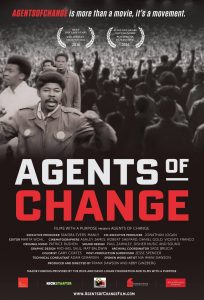
     On Feb. 24, 2016, UConn Stam­ford host­ed a screen­ing of a doc­u­men­tary about the civ­il rights move­ment in the 1960’s. Abby Ginzberg, the co-pro­duc­er of Agents of Change, grant­ed the lit­er­ary mag­a­zine 1UPL access to her lat­est project. Ginzberg has been pro­duc­ing doc­u­men­taries about race and social jus­tice for the past 30 years…

Read More On Page 21…