By Christi Thrower
UConn Journalism
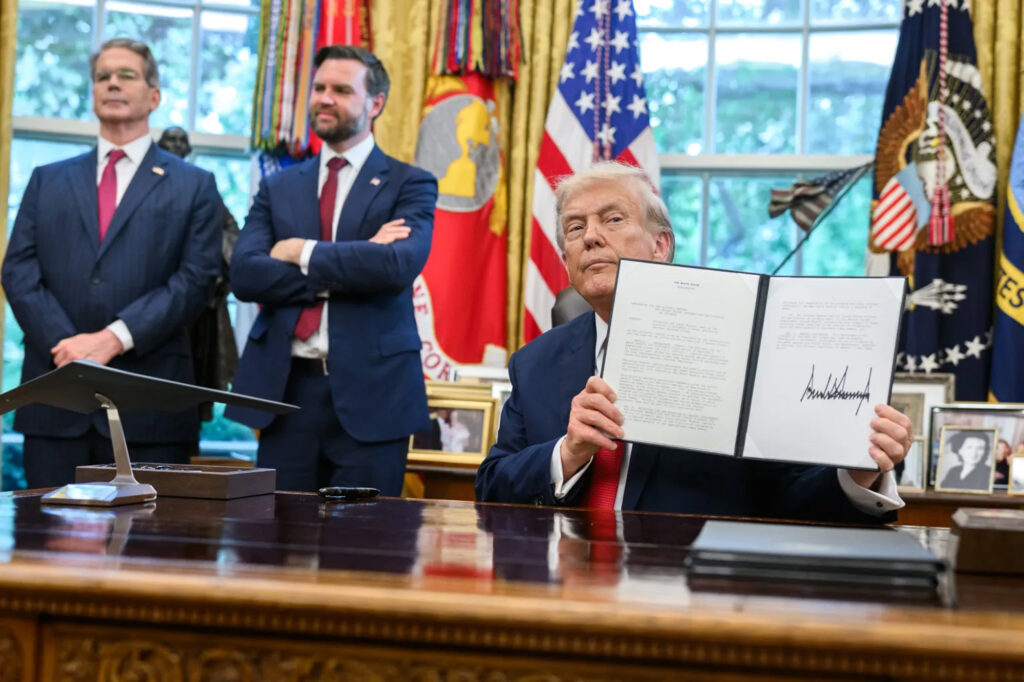
While executive orders are intended as stopgap measures to bypass Congress for important acts, some experts say President Donald Trump is using unsubstantiated claims of crisis to justify an unprecedented use of the orders to expand his power.
In the first year of his second term, Trump issued 218 executive orders, including 26 on his first day in office. Though issued outside of a time of war, many of the orders claim to address national emergencies for reasons including “foreign trade and economic practices” and “restoring safety… to ensure the safe functioning of federal government.”
The orders reflect attempts by the administration to target programs, policies, and people it ideologically opposes. Of the orders issued as of Dec. 1, 2025, 21 push anti-DEI policy changes, 18 focus on immigration and 12 target transgender people and support. Four ordered federal action against specific law firms and lawyers whom Trump disfavors. Others target programs for climate change, lift corporate restrictions on energy and discrimination, and designate political enemies as terrorists. Meanwhile, five are intended to promote a favored industry: artificial intelligence. More than 30 of the orders invoke the president’s emergency powers, with six declaring new national emergencies and three expanding the scope of existing ones.
While many of Trump’s executive orders have been unenforceable or contested in courts, some have impacted people nationwide, such as the deployment of the National Guard in U.S. cities and steep cuts to federal grants for research and community programs. Some opponents say the frequent use of executive orders in Trump’s second term is challenging the rule of law.
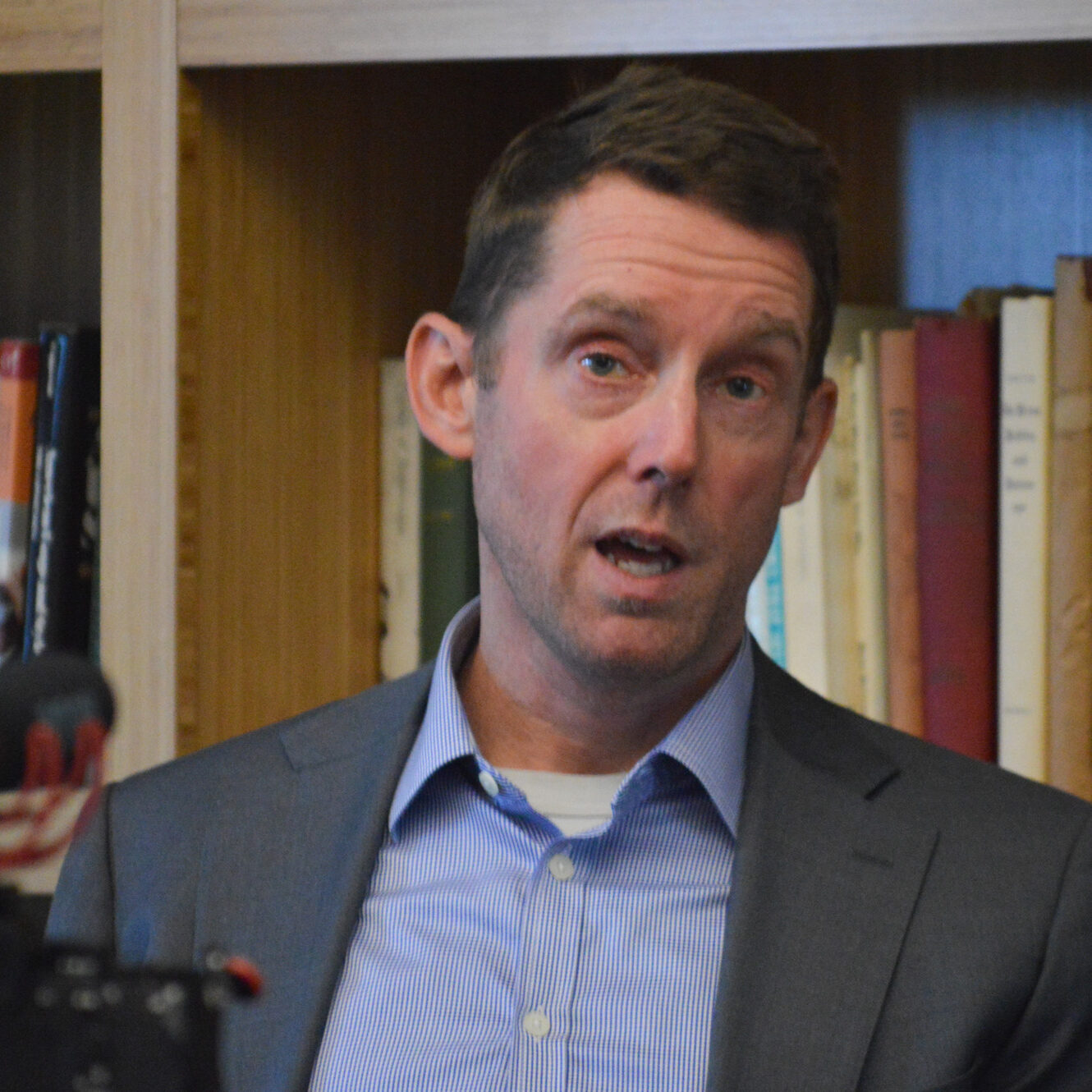
Dan Barrett, legal director for the American Civil Liberties Union of Connecticut, said by the time an unconstitutional order could be struck down by courts, its impacts may already have been broadly felt. The ACLU has filed dozens of lawsuits challenging Trump’s executive orders.
“With federal executive orders, often it looks like the federal government is acting ahead of the law,” Barrett said. “They’ll throw something out there, and then a judge has to go and say, ‘Hey, we can’t do that’ — possibly after effects have already taken place.”
What are executive orders?
Executive orders are directives by the president that manage the operations of the federal government and are published in the Federal Register. The orders aren’t legislation approved by Congress but still can have the force of law. While only another sitting president can overturn them, Congress can pass legislation that effectively bars them from working (though it would need a two-thirds majority to withstand a presidential veto).
Executive orders were primarily intended as temporary, practical measures on important issues to address something Congress is unable to act on immediately. However, they aren’t always used that way. Many presidents, including Trump’s immediate predecessors President Barack Obama and President Joseph Biden, have been accused of abusing power through executive orders.
Trump’s Second Term
When compared to his first term and other recent presidents, Trump has been much more heavy-handed with his use of executive orders in his second term. He issued 220 executive orders in total during the four years of his first term. Biden issued 162 executive orders in his one term, and Obama issued a total of 276 over his eight years in office, with only 147 in his first term.
According to University of Michigan-Dearborn political science Professor Mitchel Sollenberger, executive orders, in effect, are the Trump administration’s attempt at expanding power.
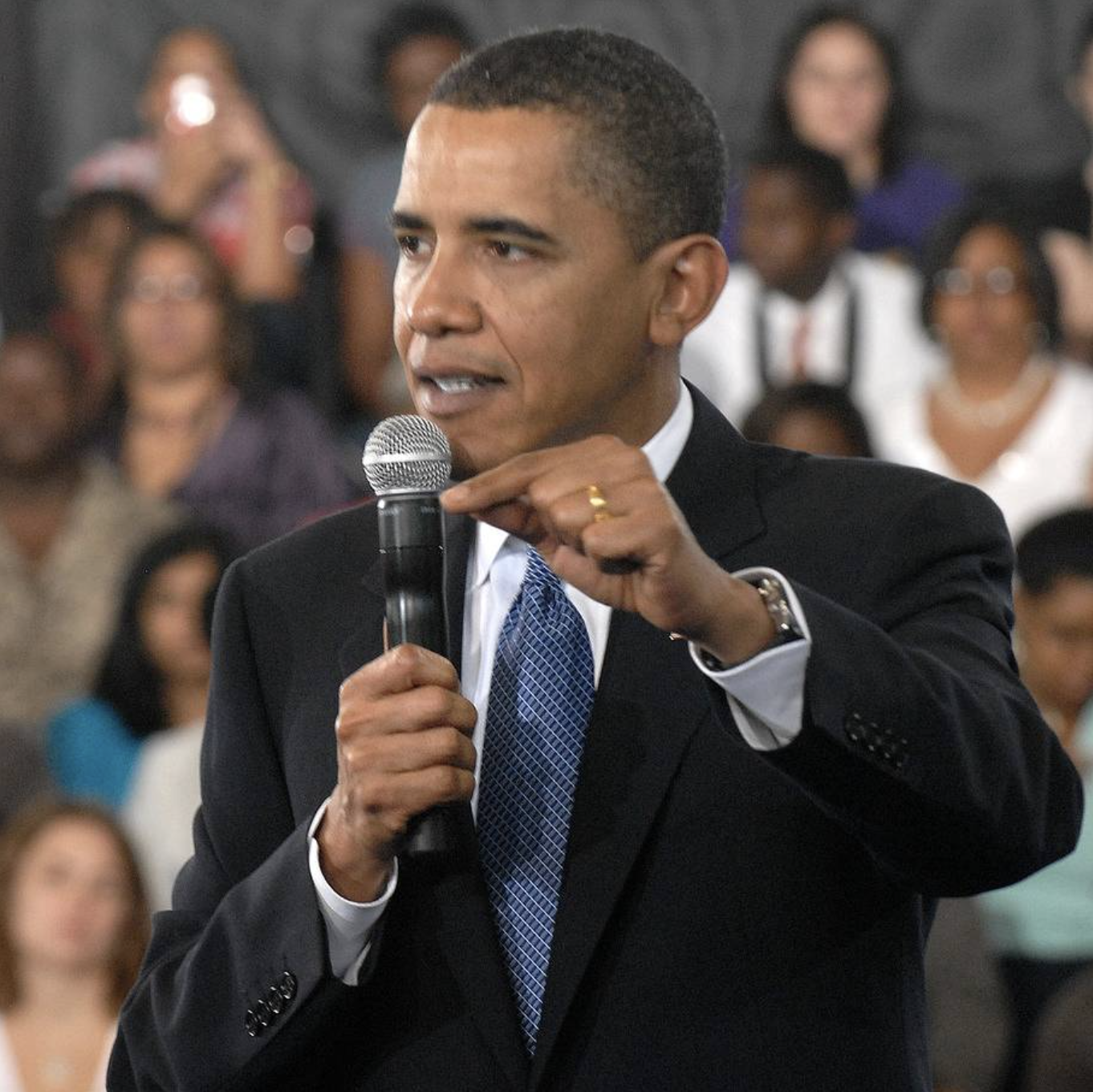
“There’s intentionality in Trump 2.0 that you didn’t see with Trump 1.0. So there’s much more focus on unilateral executive action in Trump 2.0 than 1.0,” Sollenberger said.
He said in his first term, Trump showed a willingness to engage with Congress, but ended up failing in many of his objectives. This is why he believes Trump is using executive orders to achieve his policy goals in this term and to try and “bypass” Congress and control the federal government, especially when it comes to his political enemies.
“Trump believes the federal government is full of a bunch of liberals and Democrats or just enemies of, you know, him. And so he needs to weed out those bad apples, so to speak. So these executive orders sort of free the hand when it comes to his ability to remove certain classes of individuals,” Sollenberger said.
Divisive Targets & Sweeping Effects
Many of Trump’s executive orders include inflammatory and divisive language, targeting what he refers to as “woke” policies and political enemies such as “the radical left.” He uses terms such as “illegal aliens” and “transsexuals” that opponents consider dehumanizing and refers to DEI as “racial discrimination.”
For example, Trump signed an executive order that he has promoted as cutting federal grants that are “furthering causes that damage America” such as “drag shows in Ecuador,” “training doctoral candidates in critical race theory” and “developing transgender-sexual-education programs.” This is one of many orders that cite specific “woke” targets but cut research and programs much more broadly.
Micah Heumann, director of the University of Connecticut’s Office of Undergraduate Research, whose doctoral research examined racism in higher education, said that he has seen research related to diversity, equity and inclusion deleted overnight since Trump took office. He believes this will have long-lasting effects across many institutions.
“You’re handcuffing people, basically, not literally… with the research they can do, by pulling grants away, pulling funding away,” said Heumann. “We’re going to feel this for generations, at least decades.”
Trump’s Messages
Some of Trump’s orders have addressed areas blocked by law. For example, while the Supreme Court has ruled that flag burning is protected expression under the First Amendment (Texas v. Johnson, 1988), Trump issued an order vowing to “prosecute those who incite violence or otherwise violate our laws while desecrating this symbol of our country, to the fullest extent permissible under any available authority.” In this case, while the ability to prosecute someone for flag-burning is limited by the Supreme Court precedent, the executive order directs law enforcement to punish flag-burners as much as possible for other criminal offenses.
Some states have also had their laws come into direct conflict with some of the Trump administration’s executive orders, such as gender affirming care, which is protected under New York law. According to the New York Times, New York State Attorney General Letitia James warned hospitals that they risked violating state anti-discrimination laws by denying gender-affirming care, which the federal government pressured hospitals to do.
In other cases, Trump has used executive orders to blast political opponents. An order renaming the Anahuac National Wildlife Refuge after a woman murdered by two undocumented immigrants blamed the Biden administration’s policies for causing the Mexican border to be “overrun by cartels, criminal gangs, known terrorists, human traffickers, smugglers, unvetted military-age males from foreign adversaries, and illicit narcotics.”
Barrett said some executive orders are more about the message than really changing the law.
“Some of the executive orders are less completed acts and more just announcements or dog whistles,” Barrett said. “There’s quite a number that have not done anything but have announced that something is going to happen, which makes me think that if there is a philosophy behind what he’s doing… [It’s] to make a lot of noise and make a lot of promises, to either show his base that he’s ‘doing something’ or for some other purpose.”
Factual Bases
Trump has also cited unsubstantiated theories when targeting federal funding, such as when he said that “an unsafe lab in Wuhan, China — the most likely source of the COVID-19 pandemic — engaged in gain-of-function research funded by the National Institutes of Health.” According to an article by infectious disease experts in The Conversation, the COVID-19 outbreak was most likely caused by viruses jumping from animals to humans.
While some executive orders have not been able to be enforced, others have had broad impacts across the country. For example, since Trump’s executive order on gender-affirming care, over 27 states have banned medical care for transgender youth, with many of the states citing the federal order as enabling them to do so. Some hospitals in other states, including Connecticut, have also stopped offering the care since the order. Opponents contend this decision is not based in science and will take away trans minors’ bodily autonomy and bar them from lifesaving care. Trans youth face higher rates of suicide because of gender dysphoria, according to the National Institute of Health .
“By preventing doctors from providing this care or threatening to take children away from parents who support their child in their transition, these bills prevent transgender… youth from accessing medically necessary, safe health care backed by decades of research and supported by every major medical association representing over 1.3 million US doctors,” said the Human Rights Campaign, a national LGBTQ+ rights organization that is suing the Trump administration.
Heumann, whose child is transgender, said that gender-affirming care saved his son’s life and was safe and effective. It was not an easy decision to make, and it took an “army of doctors,” he said.
“We take our kid’s health very seriously,” Heumann said. “Now he’s 20 years old, and he’s thriving.”
Court Challenges
Many lawsuits have been filed against Trump’s orders. Most are still pending. As of Dec. 1, over 500 federal lawsuits have been filed challenging Trump’s executive actions. Over 142 had been blocked or temporarily blocked, and over 231 were awaiting court rulings according to a litigation tracker by Just Security, a digital law and policy journal based at the Reiss Center on Law and Security at the New York University School of Law. Only 31 cases had been closed.
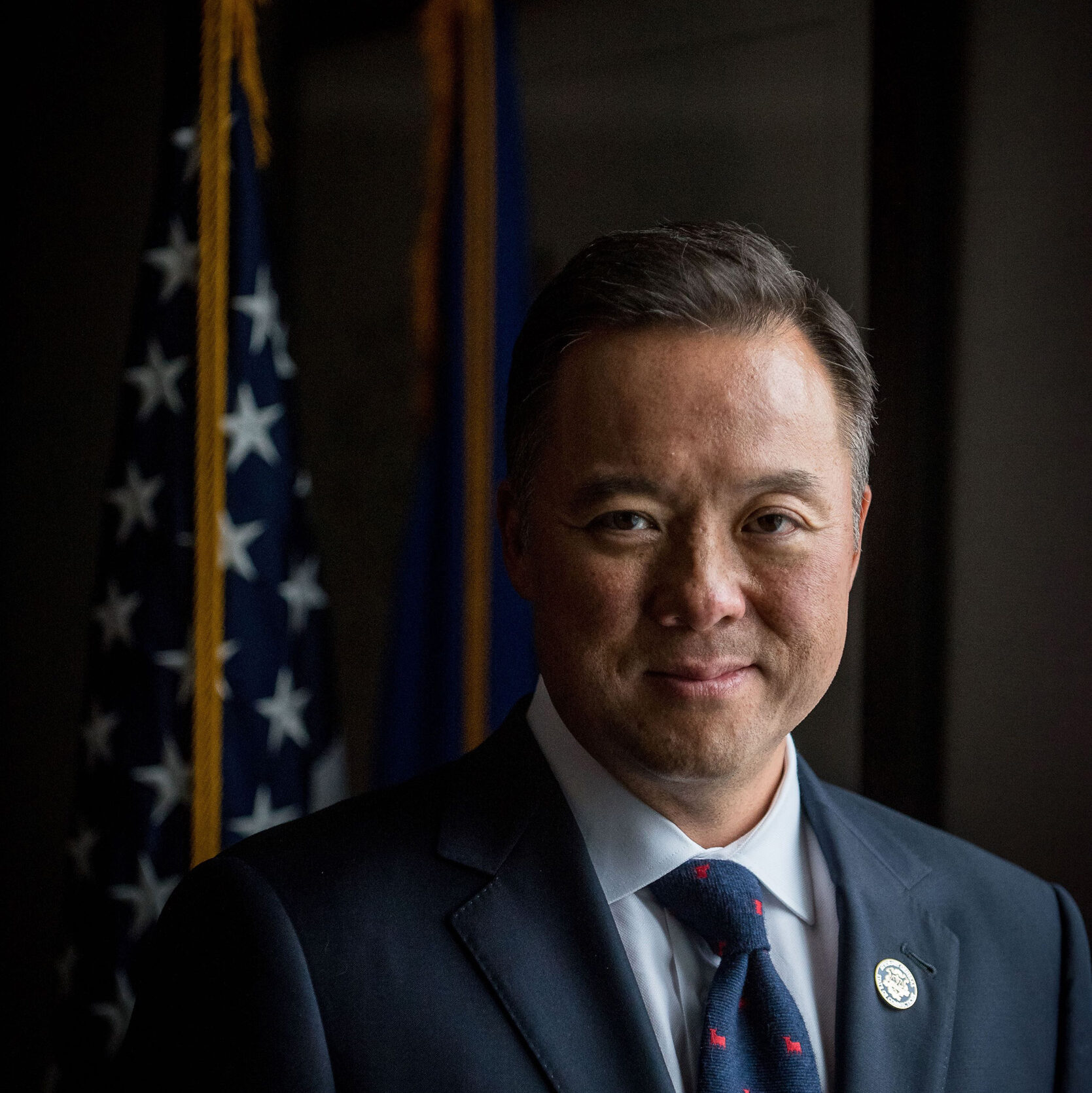
Connecticut Attorney General William Tong, who has sued the Trump administration over the legality of several executive orders, believes the federal government is interfering with state governments to an “unprecedented” degree through executive orders, emergency powers and tactics of fear, which are “offenses to states, to the constitution, to our rule of law.” He has said that the sheer quantity of attacks is an attempt to overwhelm the legal systems and bully marginalized people into submission. Tong has joined other states in filing dozens of lawsuits against the Trump administration.
Many executive orders have been blocked by federal courts on the grounds of being unconstitutional, such as the 2025 federal court case League of Women Voters Education Fund v. Trump. This executive order required showing a passport or similar document proving citizenship when registering to vote, according to New York University’s Brennan Center for Justice.
“The court’s ruling confirms what we have long argued: the president may not rewrite election law to impose a burdensome show-your-papers rule that would shut out countless Americans from the ballot box,” plaintiffs and the counsel for of a coalition of voting and civil rights organizations said in a joint statement. “This executive order was an attempted overreach of power, bypassing the Constitution’s clear allocation of authority to Congress and the states to set election rules. Our democracy is strongest when every eligible voter can register and vote free from expensive and unnecessary requirements.”
Federal judges have issued approximately 40 nationwide injunctions blocking Trump’s executive orders. However, the Supreme Court, which has a conservative majority, has ruled that federal judges lack the authority to grant nationwide injunctions and allowed some orders, such as Trump’s executive order changing birthright citizenship, to go into effect as legal challenges proceed.
Trump and his supporters cite the Supreme Court’s favorable rulings as evidence of his orders’ legality. U.S. Attorney General Pam Bondi boasted on social media about the Supreme Court siding with Trump on nationwide injunctions.
“Today, the Supreme Court instructed district courts to STOP the endless barrage of nationwide injunctions against President Trump,” she said, according to Fox News. “This Department of Justice will continue to zealously defend @POTUS’s policies and his authority to implement them.”
What gives these orders power?
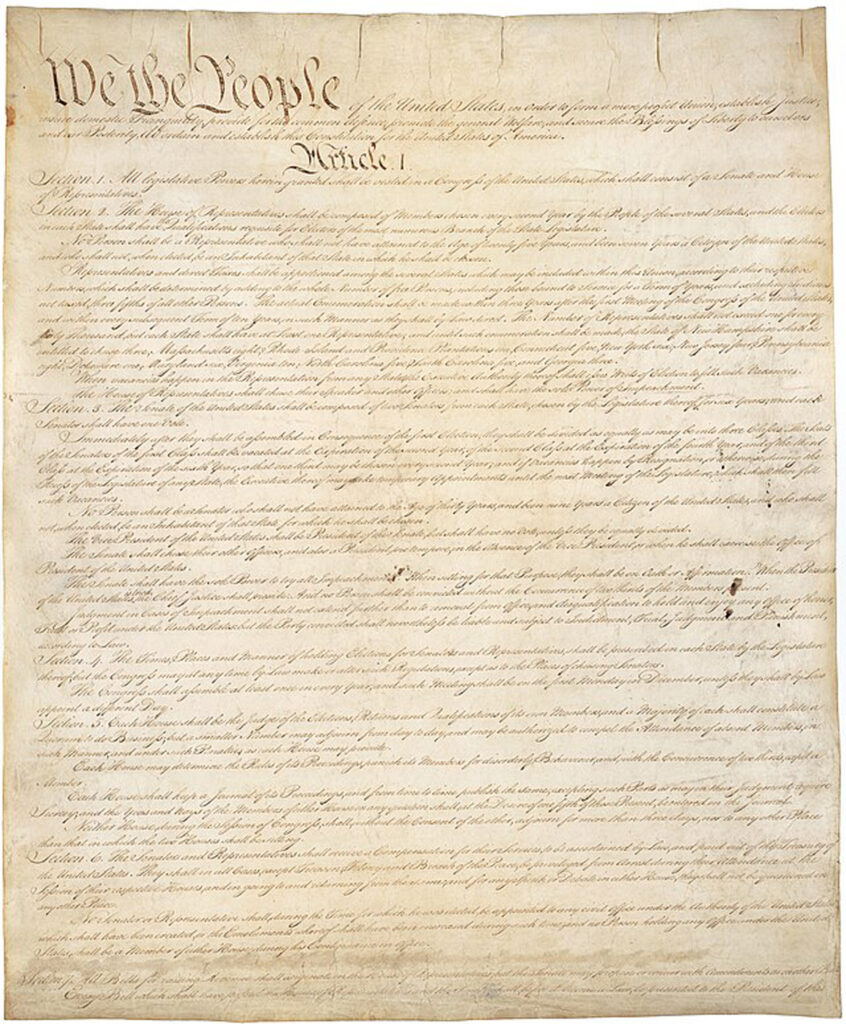
Trump’s directives, including his executive orders, are empowered not just by his status as president but also by his majority support from Republican politicians in Congress. As the Associated Press noted in a July 2025 story: “Since Trump’s return to the White House in January, and particularly in the past few weeks, Republicans in control of the House and Senate have shown an unusual willingness to give the president of their party what he wants, regardless of the potential risk to themselves, their constituents and Congress itself.”
Some in the party have complained. U.S. Sen. Lisa Murkowski, a Republican from Alaska, criticized the unilateral nature of her party under Trump when she refused to support the White House’s demand to cut funding for foreign aid and public broadcasting.
“We’re lawmakers. We should be legislating,” she said on the Senate floor. “What we’re getting now is a direction from the White House and being told, ‘This is the priority. We want you to execute on it. We’ll be back with you with another round.’ I don’t accept that.”
Barrett said he believes Trump bypassing Congress with executive orders shows his disregard for the separation of powers and the rule of law.
“It’s tough to describe how little Trump seems to care about the law,” Barrett said. “I would say he just doesn’t. He views it as an externality, it’s just something… That affects other people, because the way in which he’s attempting to change the law itself violates the law and the substance almost always does as well.”
Learn More:
Flag Burning: Prosecuting Burning of The American Flag – The White House
Orders on artificial intelligence:
Orders related to DEI:
- Executive Order 14185—Restoring America’s Fighting Force | The American Presidency Project
- Executive Order 14246—Addressing Risks From Jenner & Block | The American Presidency Project
- Executive Order 14246—Addressing Risks From Jenner & Block | The American Presidency Project
Orders related to transgender people:
- Executive Order 14185—Restoring America’s Fighting Force | The American Presidency Project
- Executive Order 14246—Addressing Risks From Jenner & Block | The American Presidency Project
Orders invoking emergency powers:
Orders that declared/expanded national emergency:
Immigration
- Executive Order 14246—Addressing Risks From Jenner & Block | The American Presidency Project
Renaming of national wildlife refuge:
Executive orders targeting law firms/lawyers:
You must be logged in to post a comment.