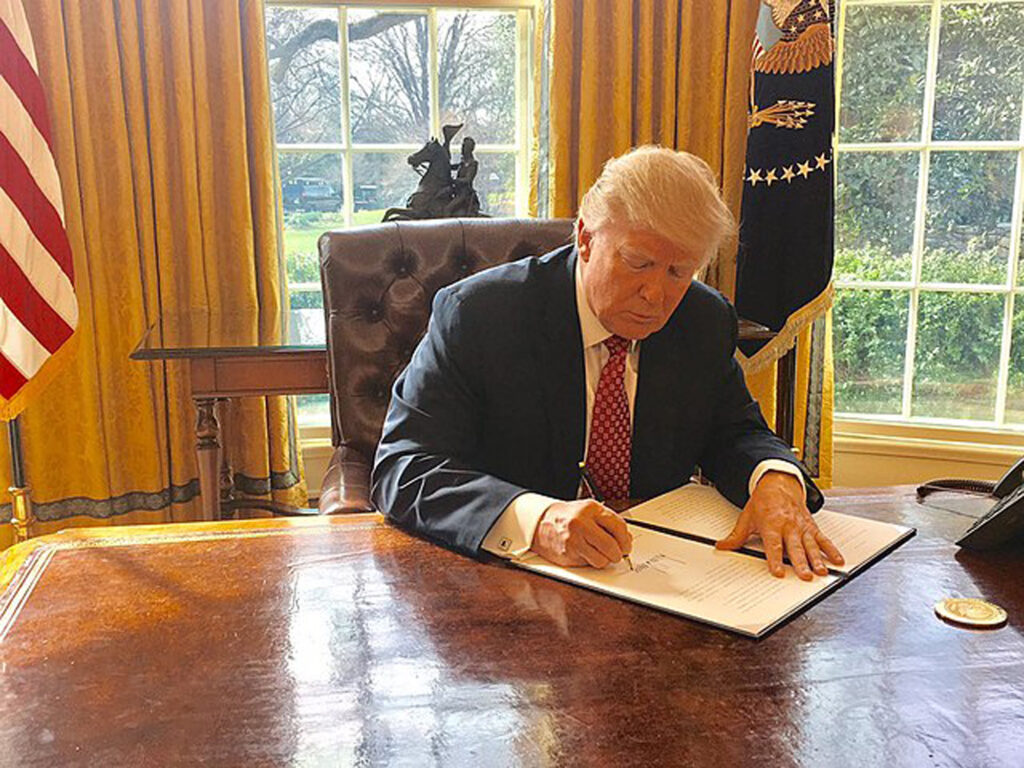
Trump's second term shifts power to the executive
President Donald Trump's sweeping actions in his second term have promoted a broad view of executive power as he implements his agenda. Since January 2025, he issued more than 200 executive orders to accomplish ideological goals, including implementing tariffs on foreign goods, firing federal workers, shuttering agencies and freezing federal funding.

Legal fights: Connecticut v. United States
Connecticut Attorney General William Tong joined 35 lawsuits against the Trump administration in the first nine months of the president’s second term—a pace of legal challenges that Tong described as unprecedented.
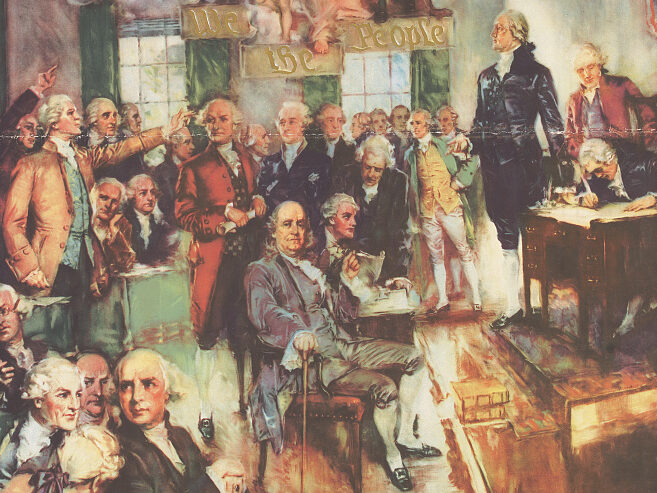
Constitutional crisis or executive prerogative?
How President Trump’s actions on due process, courts, elections and power stack up against our nation’s founding document — the Constitution.
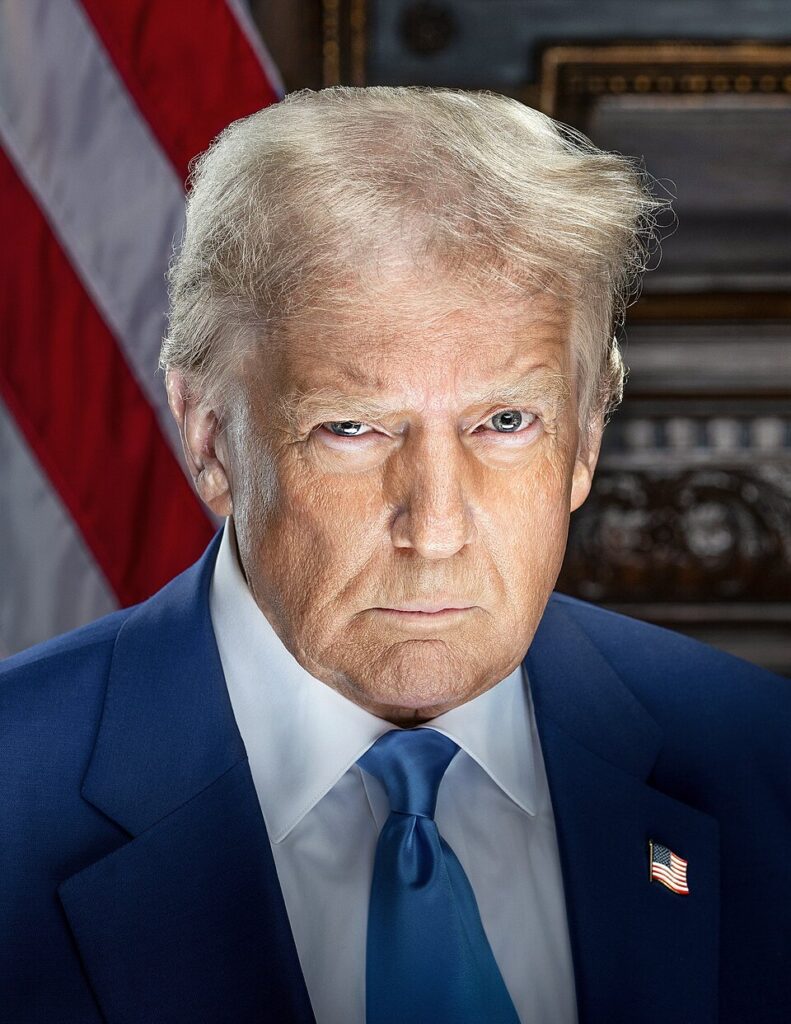
Trump expands power through executive orders
While executive orders are intended as stopgap measures to bypass Congress for important acts, some experts argue President Trump is using unsubstantiated claims of crisis to justify use of orders to expand his power.
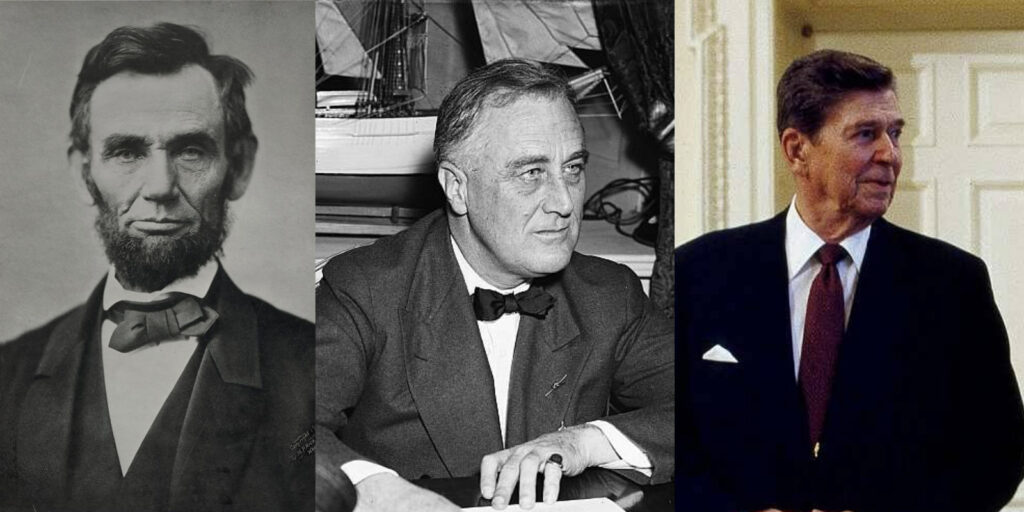
History shows how U.S. presidents have expanded their power
Here's how different presidents have expanded the scope of the executive branch since the 1800s, from expanding wartime and veto powers to introducing the unitary executive theory.
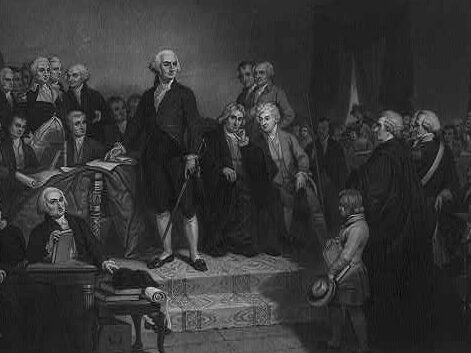
Unitary executive theory dispute pushed to forefront in Trump era
The argument over the scope of the president’s power goes back to the very first Congress in 1789. The unitary executive theory is a political, legal and constitutional argument that asserts all executive branch power is held by one individual: the president.

Tale of two education secretaries from Connecticut
Meriden native Miguel Cardona and Linda McMahon of Greenwich have both made the journey from Connecticut to Washington, D.C., to serve as U.S. Secretary of Education. The two have very different experiences and goals for the future of education.

New England wind farm saga veers into high stakes political and legal battle
Revolution Wind, a 65-turbine wind farm off the coast of Connecticut and Rhode Island,quickly became a target in President Trump’s second term, with his administration halting construction and seeking to close it down.
Executive orders fuel Trump's immigration agenda
Of the two dozen executive orders President Donald Trump signed on his first day back in the White House, eight of them centered on immigration. Trump took broad aim at who can enter the country by halting refugee admission and limiting birthright citizenship.
Video Stories
While unprecedented, Trump’s administrative actions have been made possible by a long lineage of expanding presidential power. Part 1 of 8.
Video: Hartford protesters share what "No Kings" means to them
Video: Protesters speak out about authoritarianism at D.C. ‘No Kings’ rally
About this project
Fourteen journalism students at the University of Connecticut researched, reported and produced this special project under the supervision of two faculty members during the Fall 2025 semester. They interviewed state leaders and experts from UConn and other universities, shadowed advocates and protesters, pored through legal decisions and executive orders, and chronicled the ripple effects of the administration’s actions throughout Connecticut.