By Dan Stark
UConn Journalism
Read here to learn more about expansions of executive power in the 1800s under Presidents Andrew Jackson, James K. Polk and Abraham Lincoln.
Andrew Jackson (1829–1837)
Introduced the spoils system and expanded veto power
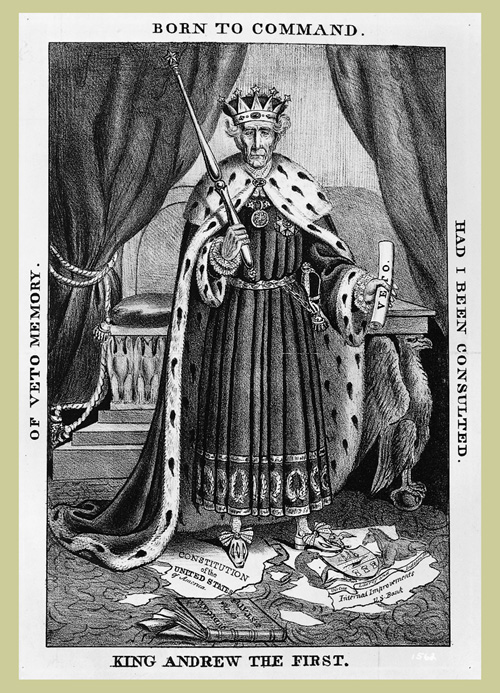
When Andrew Jackson took office in 1829, he sought to change the federal bureaucracy, which was rooted in his deep distrust of his political opponents. To do so, he implemented a policy where a new president would be allowed to fire government and workers and replace them with loyalists, mostly made up of his political allies. Though hiring loyalists wasn’t a new practice, firing current workers was uncharted territory.
The move was derided by Jackson’s opponents, most notably Kentucky Senator Henry Clay. In a heated debate, New York Senator William L. Marcy, a Jackson ally, stated that “to the victor belongs the spoils,” leading to the practice being dubbed the “spoils system,” according to history writer Robert McNamara. This system continued with no checks until the Pendleton Civil Service Reform Act was passed in 1883, which banned the practice of firing federal workers for political reasons.
Jackson’s use of veto power also distinguished him from his predecessors. Before him, most presidents used the veto power only to disapprove of something they thought unconstitutional. However, Jackson used this to veto legislation with which he simply disagreed. He issued 12 vetoes during his tenure, which was the most of any president up until that point, according to Senate records.
His most notable veto came in 1832 when he vetoed a re-charter of the Second Bank of the United States. Jackson was a staunch opponent of the bank’s existence and frequently clashed with Nicholas Biddle, the bank’s president from 1823 to 1836. In a letter to Biddle, Jackson explained his opposition to the bank and the concept of banks.
“I do not dislike your bank any more than all banks. But ever since I read the history of the South Sea bubble I have been afraid of banks,” he wrote, referencing the British economic crisis of the 1720s.
In his veto, he wrote that “some of the powers and privileges possessed by the existing bank are unauthorized by the Constitution, subversive of the rights of the States, and dangerous to all liberties of the people” and declared that it was his presidential duty to object.
As a result of his expansive actions, some labeled Jackson as “King Andrew the First,” including an unknown political cartoonist in 1832 who drew Jackson in royal garb with the bank veto in hand.
James K. Polk (1845–1849)
Taking greater oversight over the Department of War
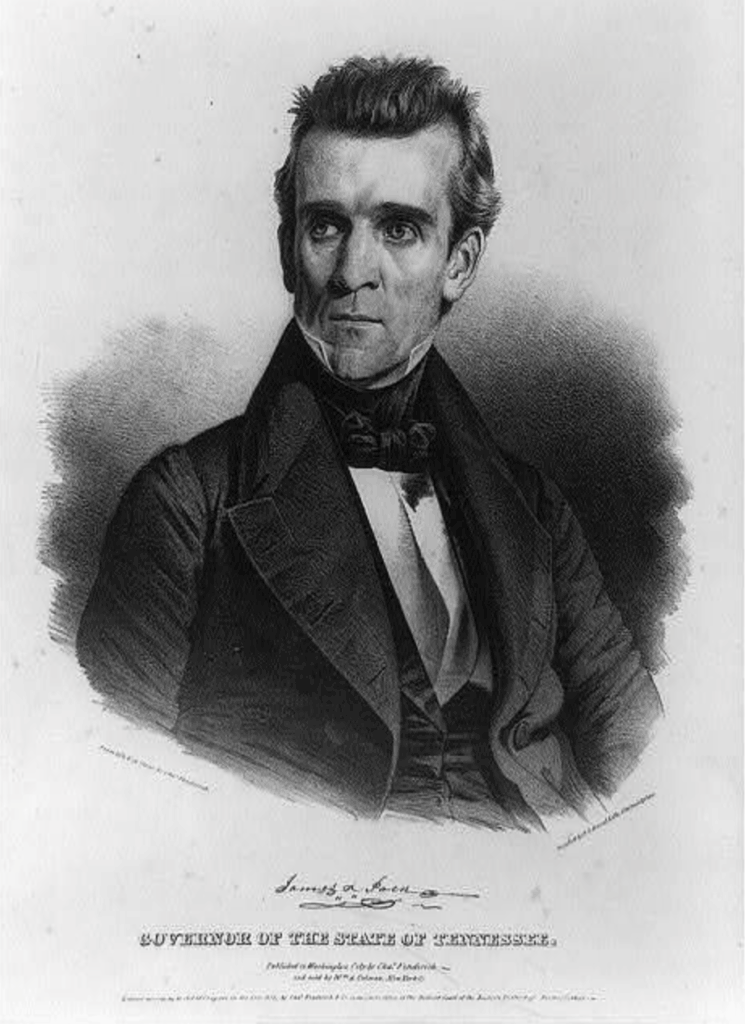
Though he only served one term, James K. Polk expanded the scope of executive power particularly in regard to the president’s authority as commander-in-chief of the Armed Forces. This began in 1845 when, in response to the pending annexation of Texas, Polk ordered 1,500 troops to Texas.
When the Mexican-American War broke out in 1846, Polk established himself as a confrontational military leader by side-stepping the Department of War to create war strategy himself. He oversaw minute details of the war like replacing officers and kept a close eye on decisions made by the Department of War as he sought to expanded American influence in the Western Hemisphere, according to Timothy C. Hemmis, a history professor at Texas A&M University.
His desire to control multiple aspects of the war led to tensions as those beneath him became increasingly frustrated, according to the Center for Greater Southwestern Studies at the University of Texas at Arlington. Similar to Andrew Jackson, who Polk was a loyal supporter of early in his political career, he viewed any slight deviation from his plan as a betrayal or an act of partisanship.
Abraham Lincoln (1861–1865)
Reshaping the power of the commander-in-chief
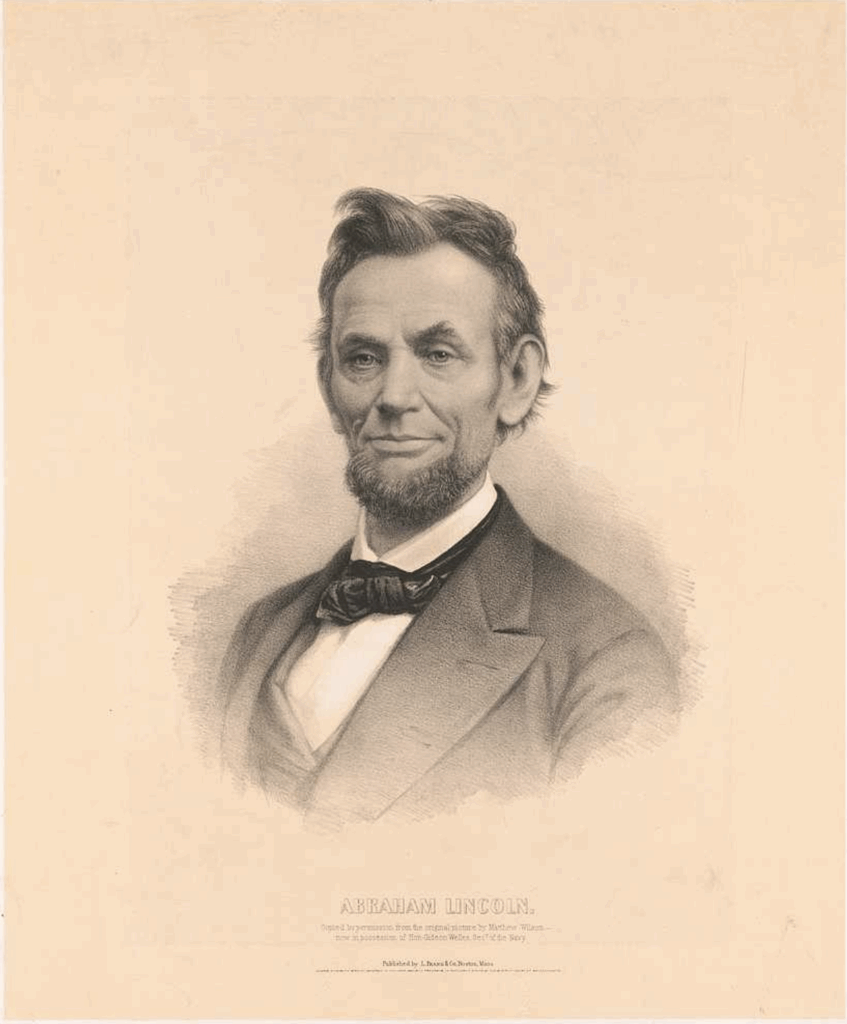
Abraham Lincoln came into power in 1861 at an unparalleled moment in American history as Southern states began seceding from the Union. To respond to this, he took extensive actions that some say made Lincoln “the most activist President in history.”
Lincoln transformed “the President’s role as commander in chief and as chief executive into a powerful new position,” wrote Michael Burlingame of the University of Virginia’s Miller Center and professor emeritus at Connecticut College, “making the President supreme over both Congress and the courts.”
The Supreme Court was a particular target of Lincoln, who, along with other young members of the Republican Party, was still angered by the Court for the infamous Dred Scott decision in 1857 which declared that slaves were not American citizens. Lincoln and his party argued that the Court only had the power to make decisions on individual disputes rather than larger constitutional issues, the latter of which is the basis of judicial review.
Lincoln and the Republican-led Congress challenged the Court’s power by passing the Territorial Slavery Act of 1862, which banned slavery in current and future American territories. The greatest flexing of Lincoln’s executive muscle came with the passage of the Habeas Corpus Suspension Act of 1863. Under the procedure of habeas corpus, a detained person must be brought before a court to determine if they have been legally detained. However, the bill gave Lincoln great power by suspending this in order to imprison those who were viewed as threats to the Union.
“The President of the United States, whenever, in his judgement, the public safety may require it, is authorized to suspend the privilege of the writ of habeas corpus in any case through the United States, or any part thereof,” reads the opening paragraph of the act. “And whenever and wherever the said privilege shall be suspended, as aforesaid, no military or other officer shall be compelled, in answer to any writ of habeas corpus, to return the body of any person or persons detained by him by authority of the President.”
There was also a great effort by Lincoln’s administration to limit freedom of the press throughout the Civil War. According to David Asp of the Free Speech Center at Middle Tennessee State University, newspaper editors and reporters were regularly arrested for various reasons, including speaking against the draft or writing statements that the government viewed as being pro-South or vaguely anti-Union.
“Handling dissent in the North presented an unprecedented difficulty for the Lincoln administration,” wrote Asp. “From the start of Lincoln’s presidency, the Northern press gave voice to many of his critics. Newspapers argued that secession was the inevitable consequence of his policy toward the South. As the war dragged on, the opposition press grew louder, demanding compromise with the Confederacy to halt the bloodshed.”
Basic free speech also came under attack during the war. Former Congressman Clement Vallandigham gave a speech referring to the president as “King Lincoln” and calling for his removal from office, he was arrested four days later and was sentenced to prison for the rest of the war, according to Asp.
You must be logged in to post a comment.