By Bridget Bronsdon
UConn Journalism
Connecticut and 20 other states are suing the Trump administration over new “politically motivated” rules for which public service workers can get their student loans forgiven that opponents say could impact marginalized groups.
The federal student loan forgiveness program, established in 2007, forgives the remaining balance on direct student loans after the borrower has made 10 years of payments while working for a public service employer. The program has long supported healthcare professionals, educators and first responders.
In March, the Trump administration created new rules for workers and companies eligible for the Public Service Loan Forgiveness Program. The new rules grant Secretary of Education Linda McMahon the power to cancel loan forgiveness and ban organizations from the program if their work engages in “substantive illegal purpose.”
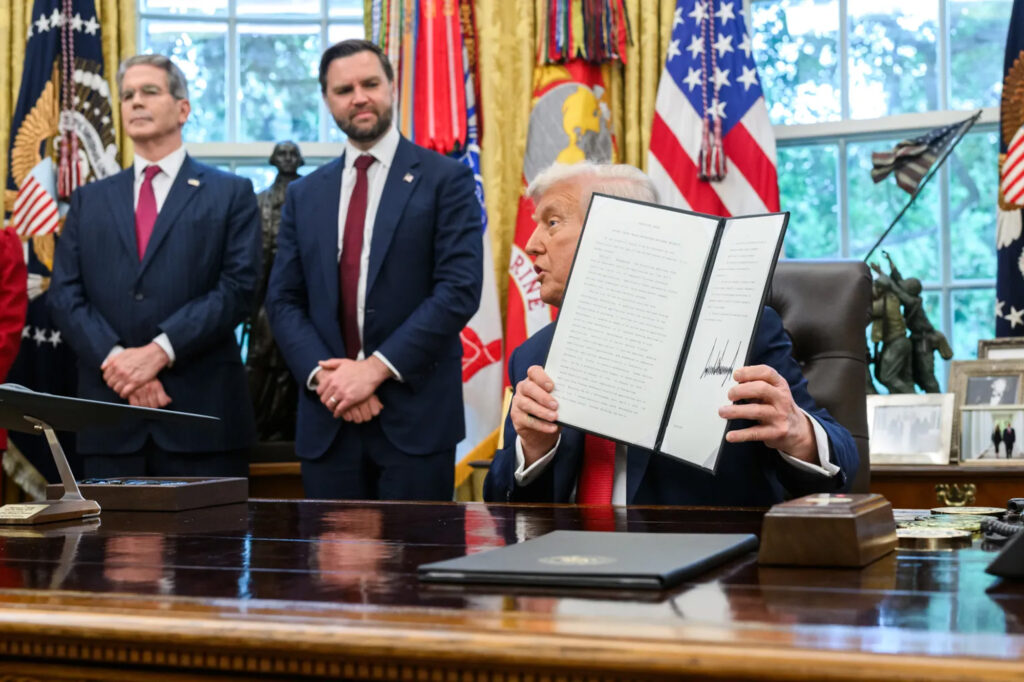
Opponents worry this vague wording will be used to punish organizations that support causes the administration opposes or local governments that don’t follow Trump’s agenda.
“It is not illegal to be a police officer. It is not illegal to be a firefighter. It is not illegal to be an assistant attorney general, for sure. It is not illegal to be a teacher, a [paraprofessional educator], an administrator. It’s not illegal to provide health care to children who need it,” said Connecticut Attorney General William Tong in a November press conference. “It’s not illegal to provide healthcare to sick people, even though they may have a complicated immigration story. And that’s what this president and Linda McMahon intend to do: punish people for helping other people.”
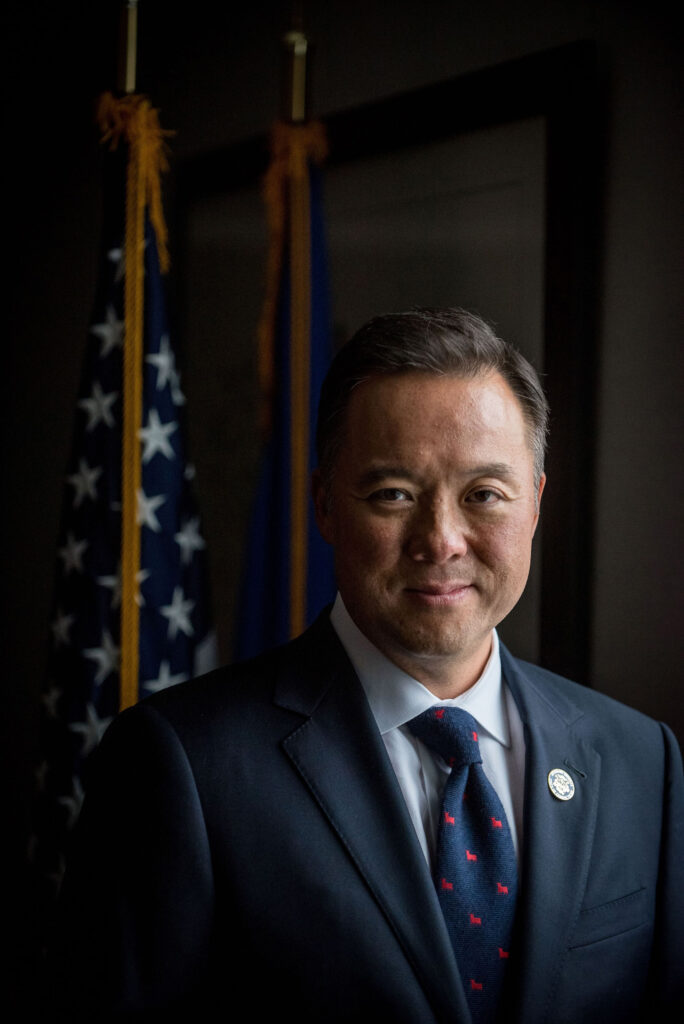
In Connecticut, nearly 12,000 residents have received loan forgiveness, and another 12,500 borrowers are enrolled in the program, Tong said in a November press conference. “The federal government is about to pull the rug out from underneath them,” he said.
The CT Community Nonprofit Alliance, an organization of over 290 nonprofits across Connecticut, supports a wide variety of programs to assist marginalized communities in the state, including health and addiction services for individuals with intellectual disabilities, behavioral health programs for children, housing programs and education and job services for individuals coming out of prison.
Its member nonprofits serve more than half a million people in the state and employ more than 170,000. President and CEO Gian-Carl Casa said nonprofits have been underfunded for too many years and the loan forgiveness program is an important incentive to attract and retain nonprofit employees.
“If they’re underfunded, they can’t compensate people well enough,” he said. “If they can’t get people, if they can’t recruit them and retain them, they can’t provide services. That means the people who depend on those services don’t get them. This program is one way to help them stay.”
The change to the loan forgiveness program could impact hiring in an area already facing shortages. Kate Diaz, president of the Connecticut Education Association, said public service professions are already struggling to attract people to their sector as workers are “publicly abused and ridiculed” by the Trump administration.
“I was joyfully in a classroom, and I had to fight tooth and nail for the dollars that I was able to get back for my service,” she said. “We should not make it hard, we should make it joyful. We should make it a wonderful opportunity to serve one another in any of the fields of public service. We have an administration that does not value that work. That does not value us.”
Others say the federal loan forgiveness program makes public service professions possible for more people.
Dr. Cara Delaney, an assistant professor of obstetrics and gynecology at UConn Health, said the program made it financially feasible for her to have a career in the public sector. Although Delaney said she is about to fulfill her 10 years of service required for loan forgiveness, she said the process has become very difficult and stressful in the past year due to the “ambiguity” of the new employer qualification rules.
“This is government interference, and with the goal of creating an environment of fear and powerlessness, and despair,” she said. “And we must stand up to these efforts to target disenfranchised communities.”
You must be logged in to post a comment.