By Gianni Salisbury, UConn Journalism
December 2025
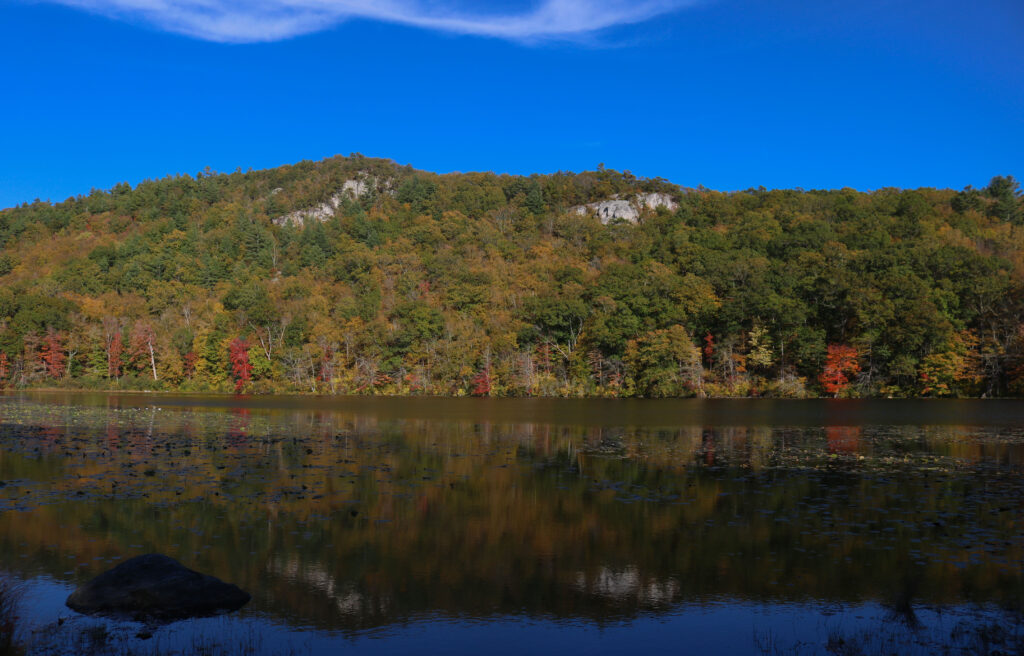
The reds and oranges of the fall foliage blur past the window as elder Mike Thomas, the former chairman of the Mashantucket Pequot Tribal Nation, drives down the back roads of the reservation. He passes houses, a post office, a pharmacy, sports fields and a community center. A man mows his lawn while children play on a swing set. A neighbor comes out of his house and stops Thomas to catch up on each other’s families. The Mashantucket Pequot reservation, which borders Ledyard, Preston and North Stonington, Connecticut, is 2,000 acres in size and home to around 500 people. However, many who live outside its boundaries forget it is even there.
Thomas has lived on the reservation since he was 15 after moving there at his grandmothers request, who was Mashantucket Pequot. Now at 57, he works for the Cultural Resources Department of the Mashantucket Pequot Tribal Nation.
“We’re a pretty small group compared to other tribes like the Narragansett, but we are strong. Because of the closeness everybody pretty much knows everyone. The world is a small place. The Indian world is even smaller,” Thomas says with a laugh.
When most people picture Native tribes, they think of tribes out west such as the Cherokee or Navajo, not realizing the strong presence of native peoples in New England. Connecticut has five recognized tribes: Mashantucket Pequot and Mohegan tribes, which are federally recognized, and the Golden Hill Paugussett, Paucatuck Eastern Pequot and Schaghticoke tribes, which are state recognized. In Rhode Island, the Narragansett tribe is the only federally recognized tribe. In Massachusetts, the Mashpee Wampanoag and the Wampanoag Tribe of Gay Head (Aquinnah) are federally recognized while the Nipmuc Nation is state recognized. A full list of recognized tribes in New England can be found on the University of Massachusetts Boston website.
Federally-recognized tribes have tribal sovereignty and are distinct nations with their own governments. State-recognized tribes also have sovereignty but at a much more limited level.
Sandy Grande, a political science and Native American and Indigenous studies professor at the University of Connecticut and a Quechua national, said the reason people forget about the native presence here is because the genocide of Indigenous people actually began in Connecticut and New England.
“It all comes back to the Mystic Massacre, the Pequot War and the 1638 Treaty of Hartford, which worked to remove Pequots altogether,” Grande said.
The Mystic Massacre and the Pequot War killed between 400–700 Pequots. Treaty of Hartford abolished the Pequot tribe and made the name Pequot illegal.
“They were forbidden and it is understood to be the only documentary or evidentiary history of a genocide,” Grande said.
After those major events, Grande explained, the push of all native peoples westward occurred. What young Americans learn in school often reflects the lack of knowledge people have about tribes in New England, she said.
“When kids here in Connecticut learn about Native history, it almost always starts with the Trail of Tears, maybe the pilgrims. So you go from the pilgrims to the Trail of Tears,” Grande explained. “So while there are five recognized tribes in the state of Connecticut, it’s just missing in the school curriculum.”
Since the Treaty of Hartford more than three centuries ago, Indigenous people in the region and across the nation have lost land, language, tradition and culture through practices of erasure, including the enforcement of boarding schools, failed treaties, shrinking of reservations and forced assimilation.
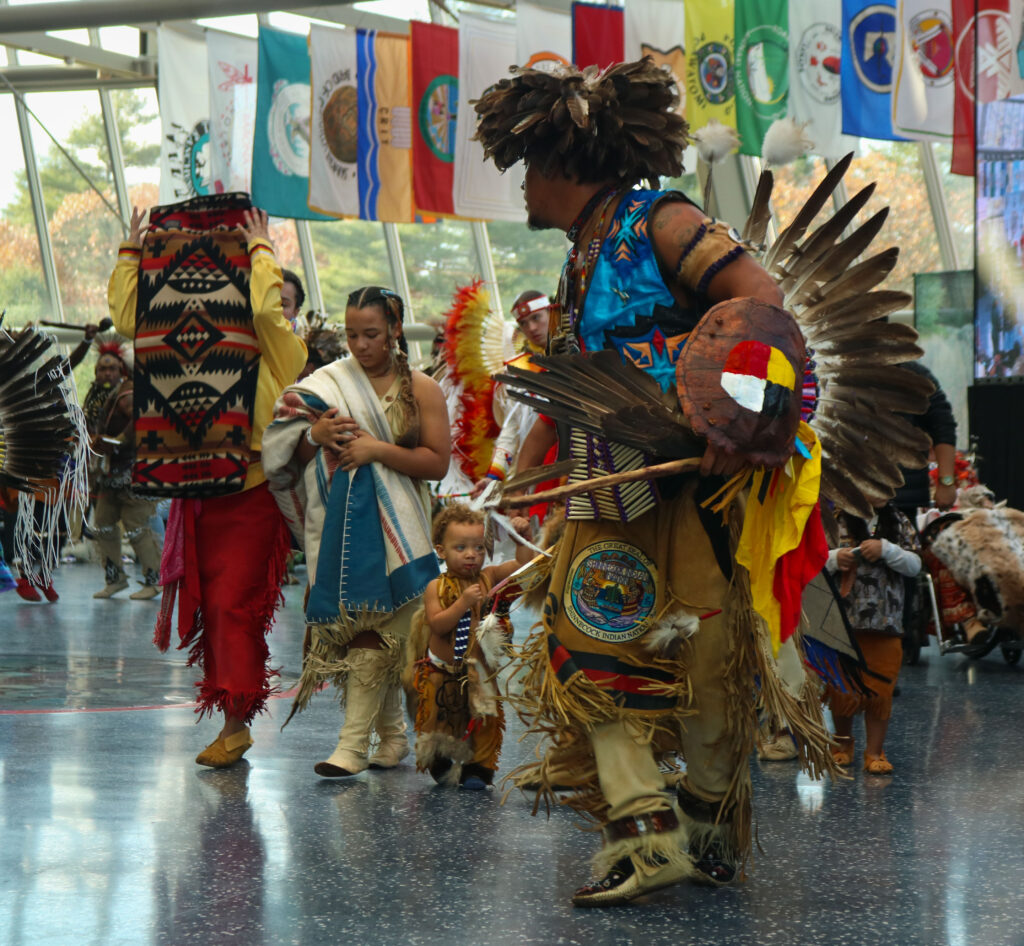
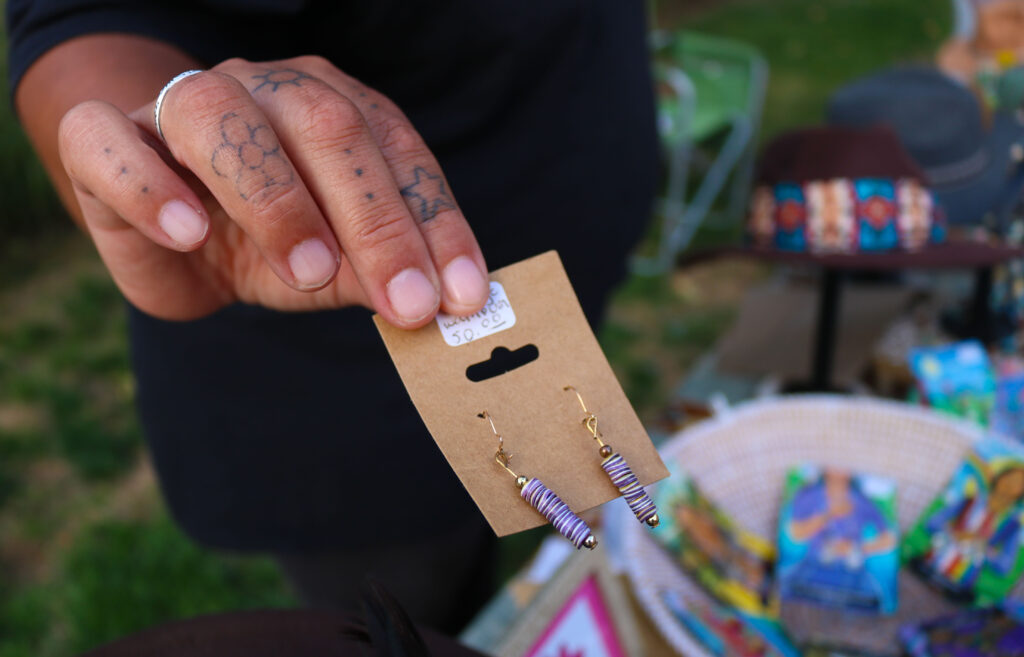
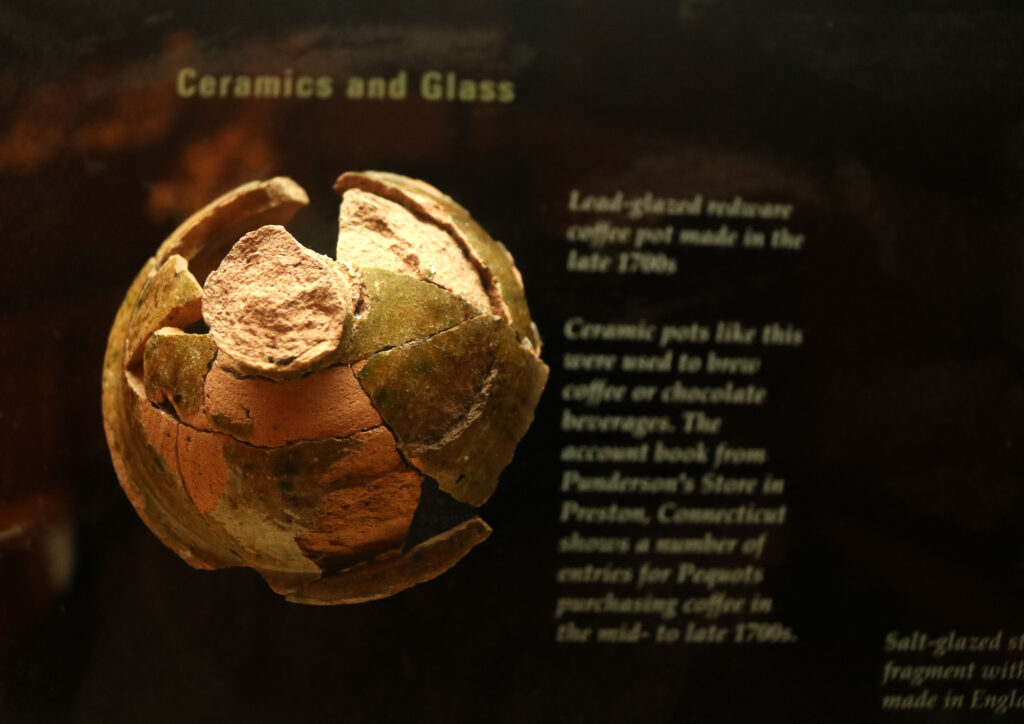
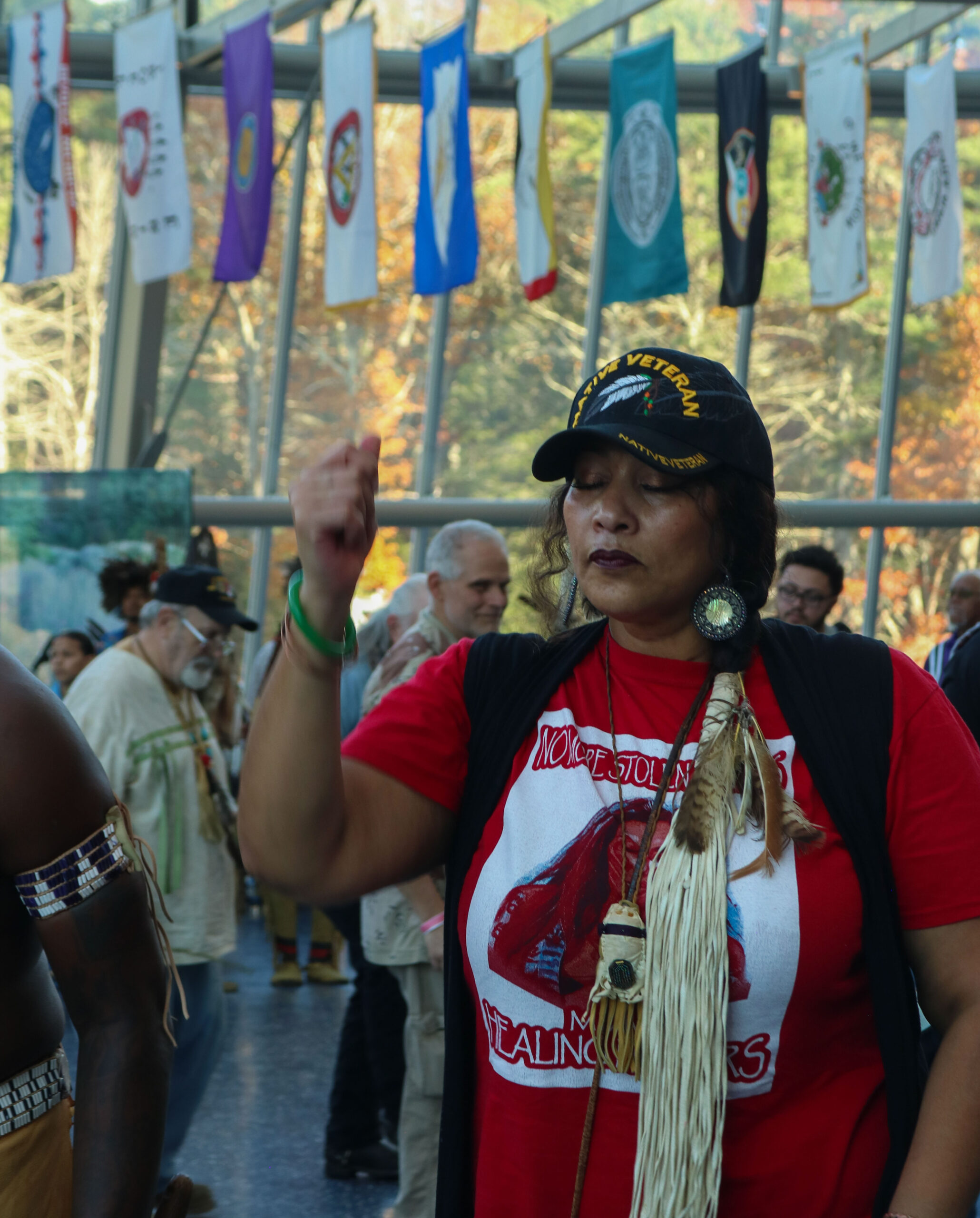
This photo essay aims to show how the Mashantucket Pequot, Narragansett and other tribes in New England – through education, celebration, creativity, artifact reclamation, land preservation and community engagement – are working to reclaim these losses and show that their people and culture are still here.
Click on a button below to view that section of the photo essay