On a warm, sunny October day, people of all ages dance around the open lawn, stomping and calling out to the music. Some are in multicolored regalia, with feathers and tassels twirling as they circle around the outside of the Tomaquag Museum in Charlestown, Rhode Island. Others are in everyday clothes.
The Narragansett Tribal Nation is celebrating Cranberry Thanksgiving with tribes from all over the northeastern region. The celebration happens in accordance with the Harvest Moon within the 13 moons or thanksgivings. The holiday is part of a year’s worth of giving thanks celebrated by tribes like the Narragansett, Wampanoag and Mashantucket Pequot.
The holiday is meant to celebrate that “all the things that have been grown are getting ready to be harvested and dried and stored for the winter to come,” according to Chrystal Mars Baker, an educator at the Tomaquaq Museum and a Narragansett Tribal citizen.
Click on an image to view larger.
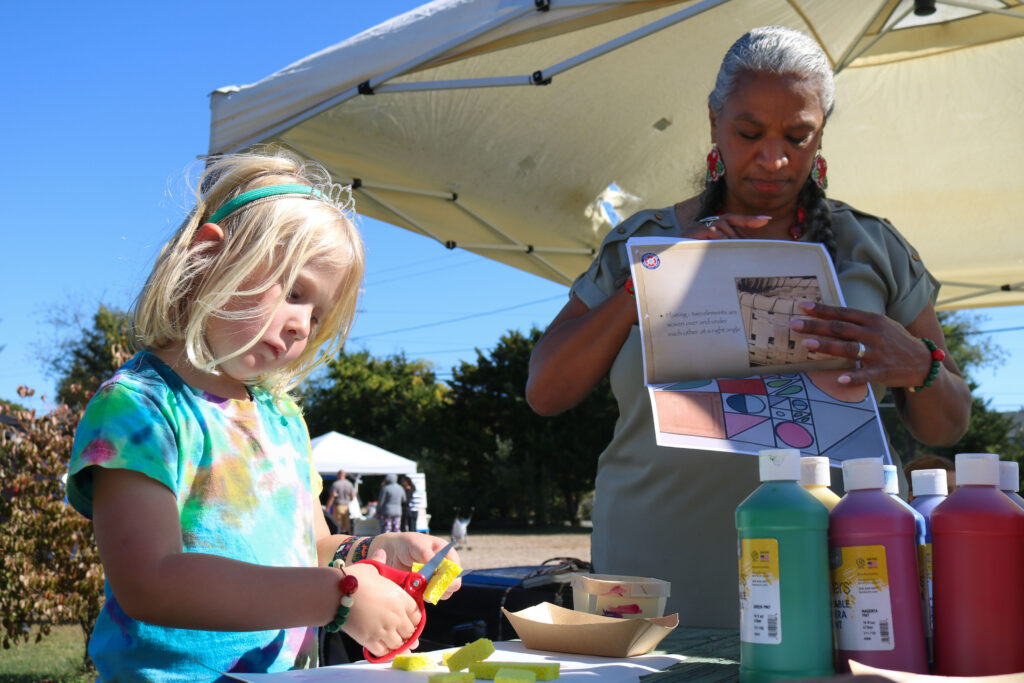
Baker, right, teaches a young girl about the history of Cranberry Thanksgiving while she works on a craft on Oct. 4, 2025.
Baker said the community event is meant to be “an educational opportunity,” as well as a time for “sharing, educating and exposing ourselves and our tribal citizens.” By making the event public, the Narragansett Tribe hopes to connect with people outside the Native community so they can better understand their presence and why their cultural traditions are important.
The original idea of the celebration was to gather together and be thankful for the year’s harvest, Baker explained.
“There would be a ceremony, there would be dancing, there would be gatherings of people from village to village, coming together just like what you see today,” she said.
The idea of Thanksgiving for Indigenous people is very different from what most people think of as the holiday of thanksgiving, explained UConn Professor Sandy Grande.
According to the Smithsonian National Museum of the American Indian, Thanksgiving for tribes such as the Narragansett and Wampanoag related to the idea of seasonal Harvest ceremonies, festivals and daily traditions before the Pilgrims came into the picture.
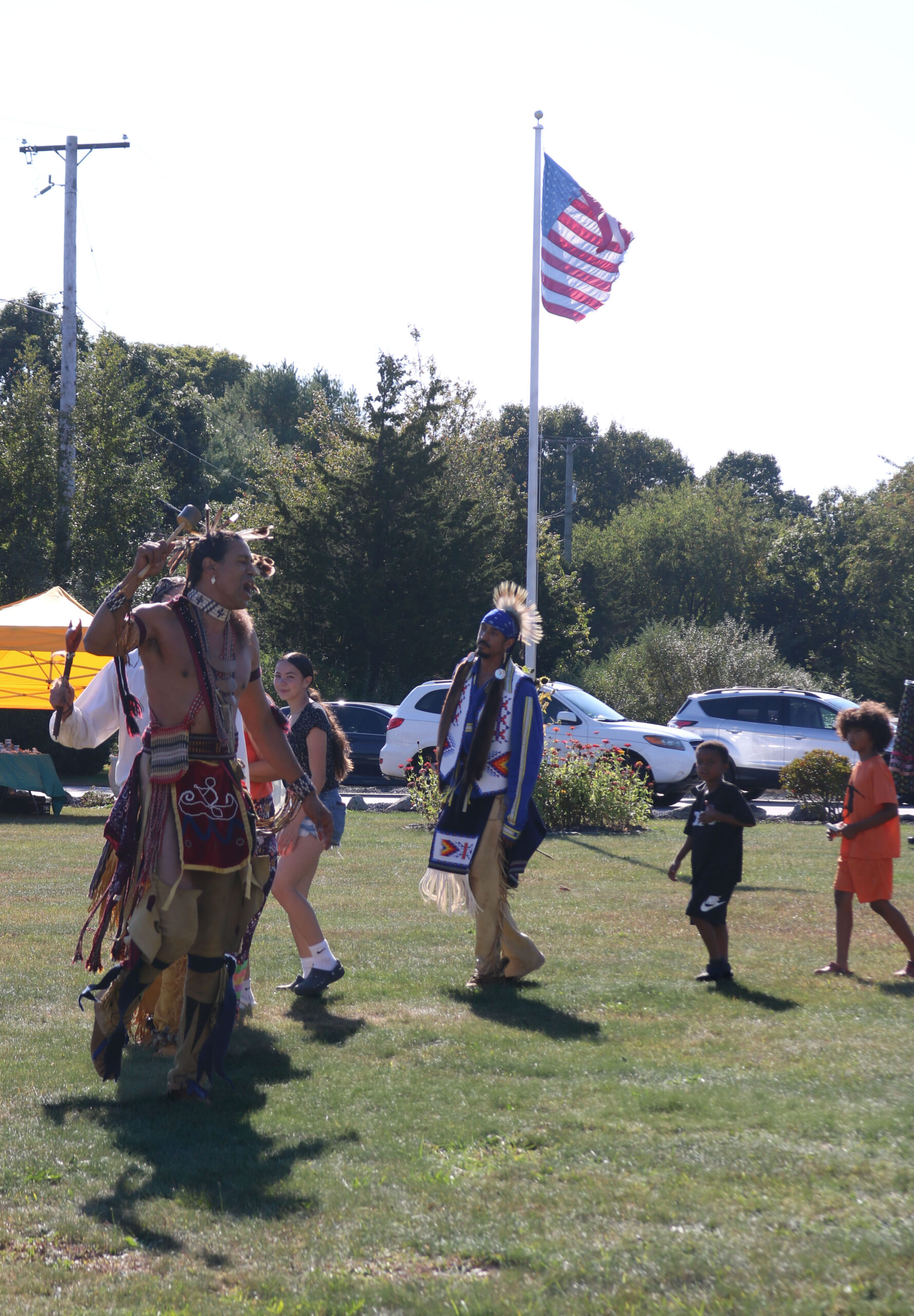
Celebrating traditions like Cranberry Thanksgiving is meant to preserve their tribal practices, Baker said. The event featured food, arts and crafts, traditional music and allowed people to take part in a variety of traditional dances, including the Robin Dance and the Candy Dance.
Cranberry Thanksgiving participants follow along in a traditional Robin Dance as drummers play and a man leads a chant on Oct. 4, 2025 in Charlestown, Rhode Island.
Dance is an important part of Indigenous celebration as movement, music and regalia allows “dancers to express both community identity and their own individual journeys,” according to the Running Strong for American Indian Youth.
Baker stressed that although Native people have become more modern, celebrating the traditions allows Native communities to reclaim their culture by actively keeping it alive.
“We may have evolved. We may have changed. We are wearing contemporary clothes, we have 9‑to‑5 jobs, we live in homes, but we are educating about the loss or the displacement,” Baker said. “We are breaking the myth that there was only one Thanksgiving. It’s breaking the myth that it happened in November. It’s breaking the myth that it was the Pilgrims who met the Indians and became great friends and shared a meal and all of that, because none of that is true.”
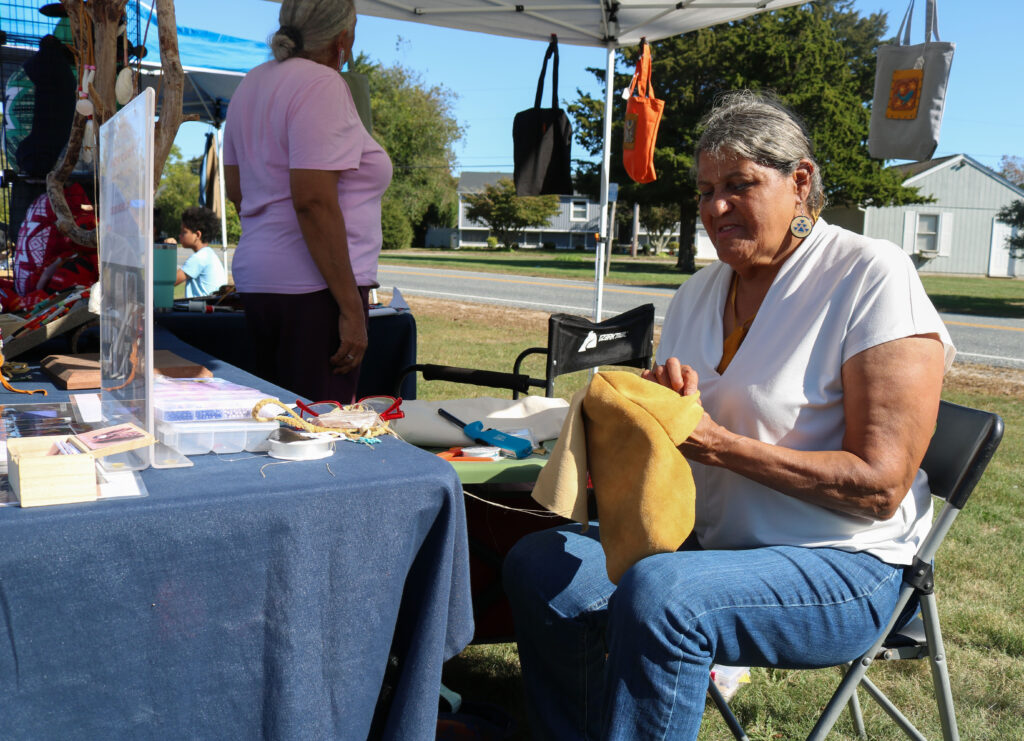
Indigenous artist Josephine Smith sews a piece of Indigenous regalia at the Cranberry Thanksgiving on Oct. 4, 2025 in Charlestown, Rhode Island.
Smith, who is part of the the Shinnecock Indian Nation in Long Island, NY, is an educator for the Shinnecock Nation Museum and former director of the Cultural Resources Department for the tribe. She is also an artists and makes regalia and jewelry by doing her own beadwork. She uses many natural materials, including wampum and bird feathers in her work. Her business, which she runs with her cousin, is called Hands of Tradition.
Crafts are essential to “keeping traditions going” and are a “continuation of who we are,” Smith said.
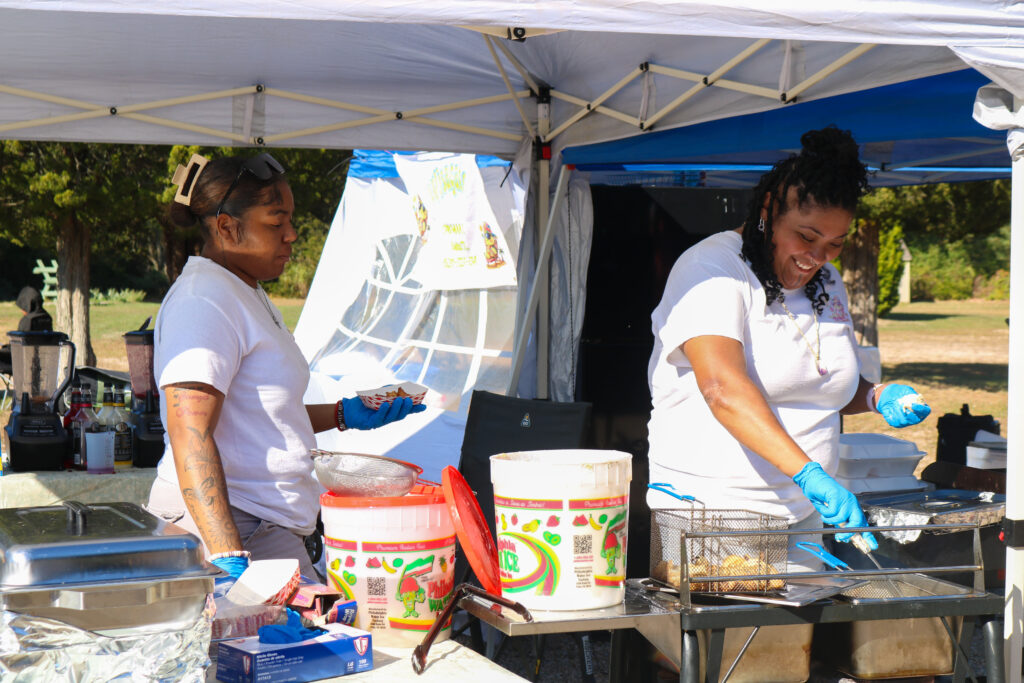
The Cranberry Thanksgiving event also featured Indigenous food vendors selling cranberry-based meals. According to Baker, Cranberry Thanksgiving is meant to acknowledge the gifts that “sustain the people, and cranberry is one of those gifts.”
Much of the food sold is very modern but cranberry influenced and still “gives thanks to the cranberry,” Baker said.
Although the October 2025 Cranberry Thanksgiving event was organized by the Narragansett tribe, members of different tribes across the region attended the event including those from the Mashantucket Pequot and the Mohegan tribes.
Regional tribes coming together is a recent development, Professor Sandy Grande explained, and it is significant for Indigenous unity. “It’s relatively new, actually, because the history is pretty intense. You know, many of these tribes used to be pitted against each other, “ explained UConn Professor Sandy Grande. “It’s really only been in the past maybe five years that they’re doing a lot with each other.”
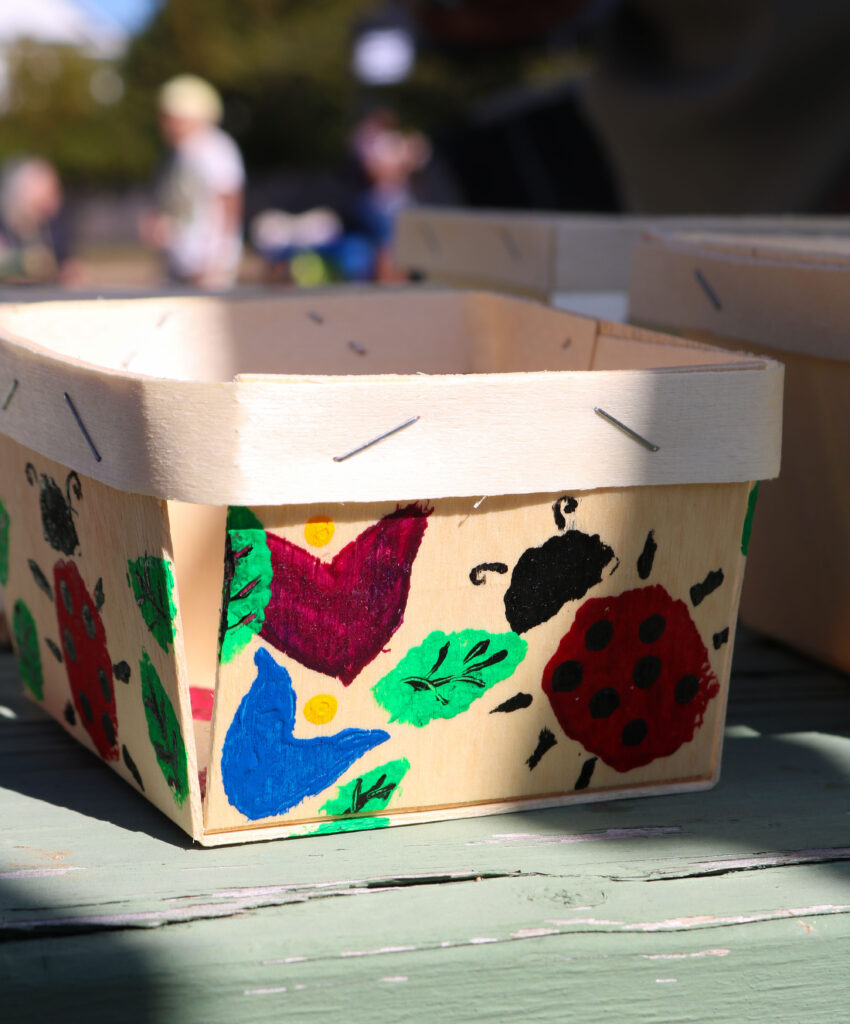
An example of basket stamping, done by a visitor at Cranberry Thanksgiving on Oct. 4, 2025 in Charlestown, Rhode Island. Basket Stamping was done by ancestors of Southern New England Native American tribes.
Veterans Powwow
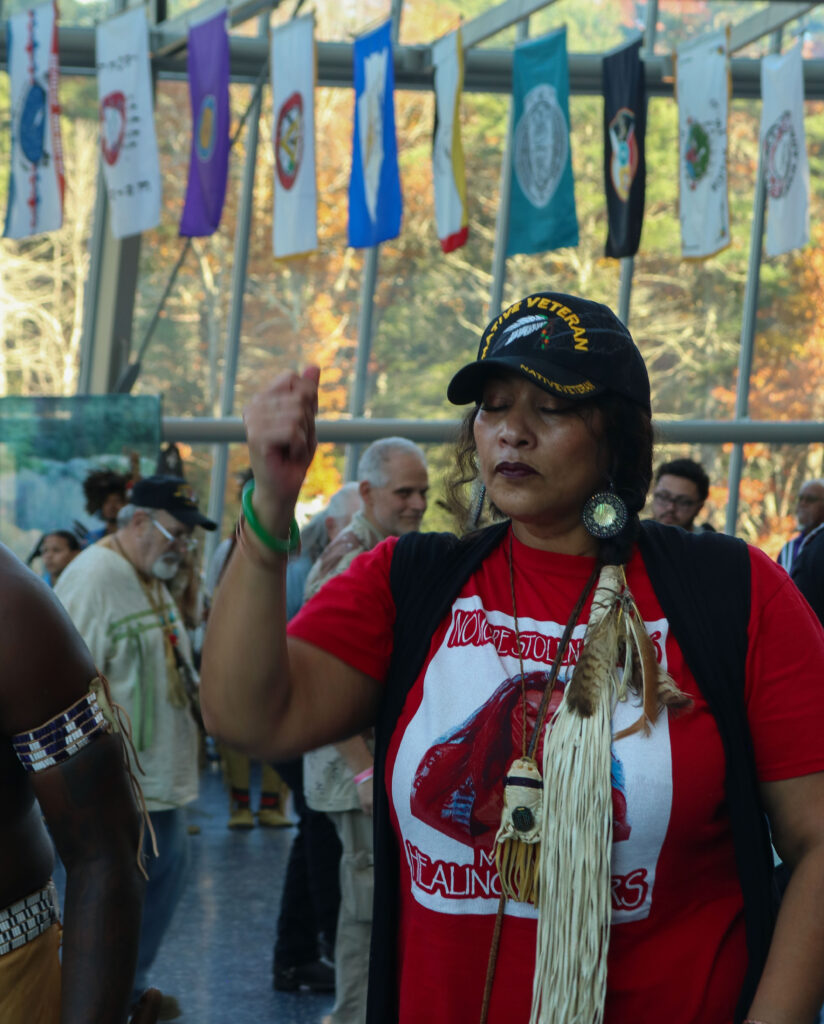
An Indigenous veteran dances to the drumbeat, feeling her way to the music at the Veterans Powwow on Nov. 8, 2025 at Mashantucket Pequot Museum.
The Mashantucket Pequot Tribe held a Veterans Powwow at Mashantucket Pequot Museum on Nov. 5, 2025 in alignment with the Veterans Day holiday. The event celebrated the thousands of Native people who have served in the U.S. military.
According to the U.S. Department of Defense, about 19% of Native Americans have served in the military, more than any other ethnic group. Native people have served in every major U.S. conflict since the Revolutionary War, and currently more than 150,000 Native American veterans live in the United States.
Many veterans spoke about their experiences serving in the military as Indigenous people during the powwow and how often people do not realize how many Native people are serving in the military.
One veteran spoke angrily about the lack of recognition of Indigenous people.
“Although I am proud of my service, I am angry with the U.S. government. They have never recognized us and continue to treat us badly,” he said.
Michael Purcaro, chief of government administration for the Mashantucket Pequot Tribe, said the event aims to celebrate and recognize Native American military service.
Hundreds of people attended the Veterans Powwow on Nov. 8, 2025 at the Mashantucket Pequot Museum, which featured traditional dances, vendors, food and music. The event began at 1 p.m. with an opening prayer and a grand entry dance by tribal dancers in regalia.
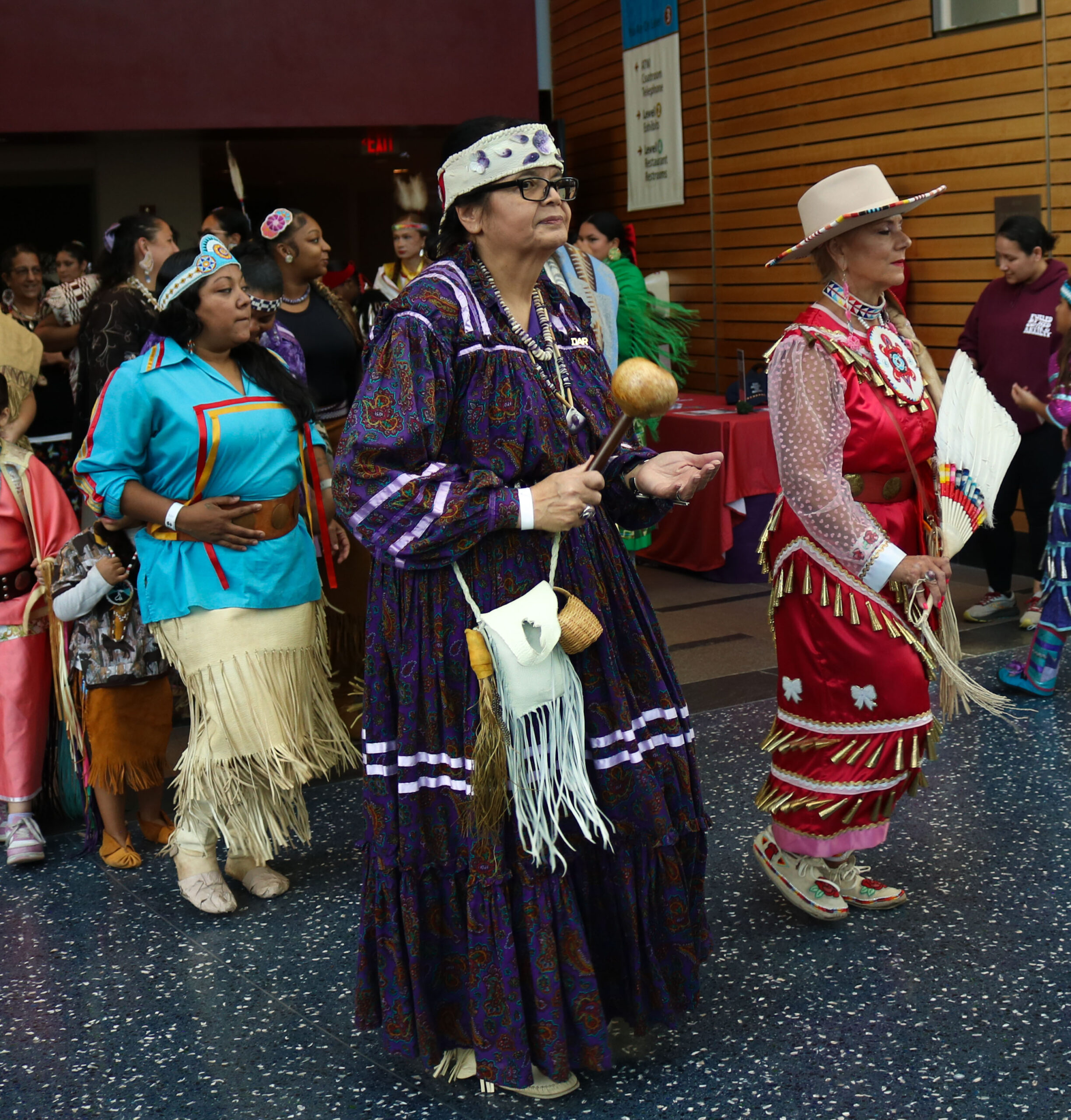
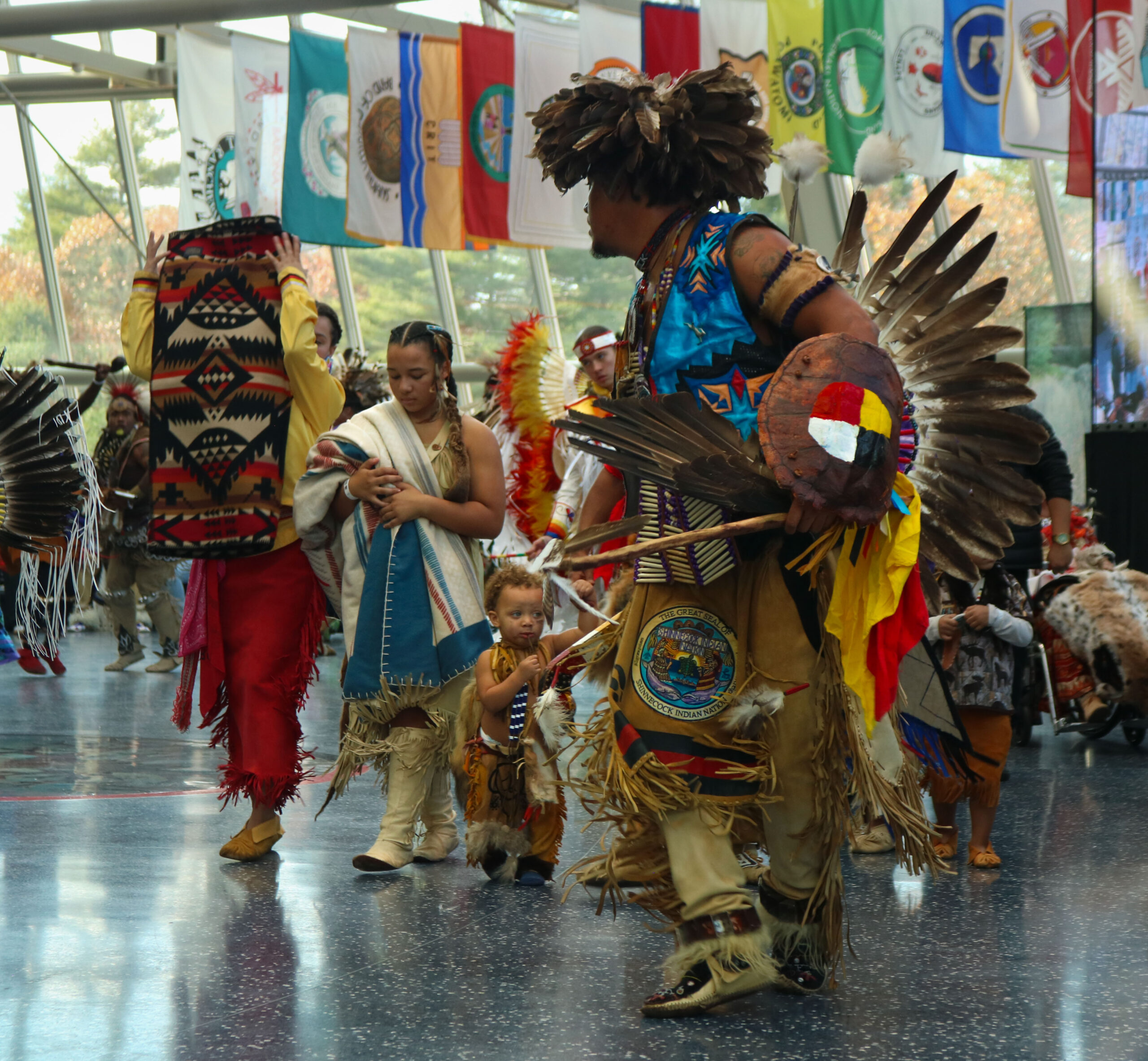
At left, women lined up in their traditional regalia to walk out for the grand entry. At right, adults and children participated in several traditional dances throughout the day wearing their regalia, as well as ceremonies honoring native and non native veterans.