Federal courts have the authority to hear cases having to do with the Constitution, federal laws and treaties. The courts also hear cases where the U.S. is a party. Two different articles in the Constitution create federal judgeships: Article 1 and Article 3.
Article 3 establishes most judgeships, University of Connecticut political science professor Virginia Hettinger said, including judges of federal district courts, U.S. Courts of Appeals and the Supreme Court.
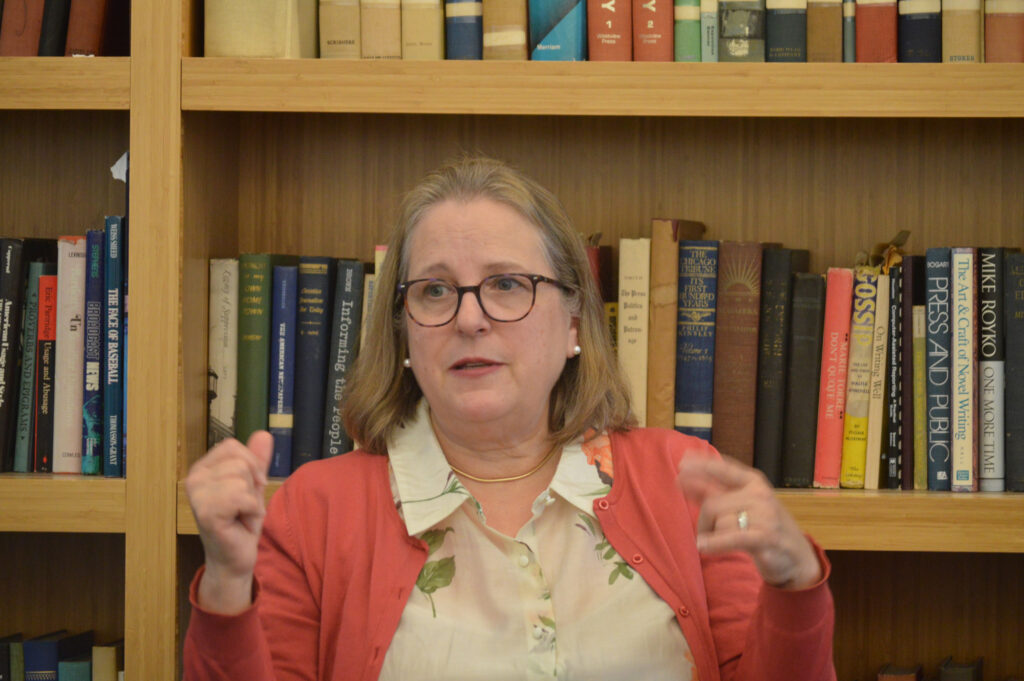
“Article 3 judges: president nominates, Senate confirms,” Hettinger said. “The Constitution says that their term shall be in good conduct, which has come to be interpreted as lifetime tenure.”
Article 1 courts are created by Congress and operate separately from the Article 3 courts, Hettinger said. They are usually created to deal with specific issues. Examples of these courts include the U.S. Court of Appeals for Veterans Claims, the U.S. Court of Appeals for the Armed Forces and the U.S. Tax Court, according to the U.S. Courts website. These justices don’t have lifetime tenure and instead usually serve four- or eight-year terms.
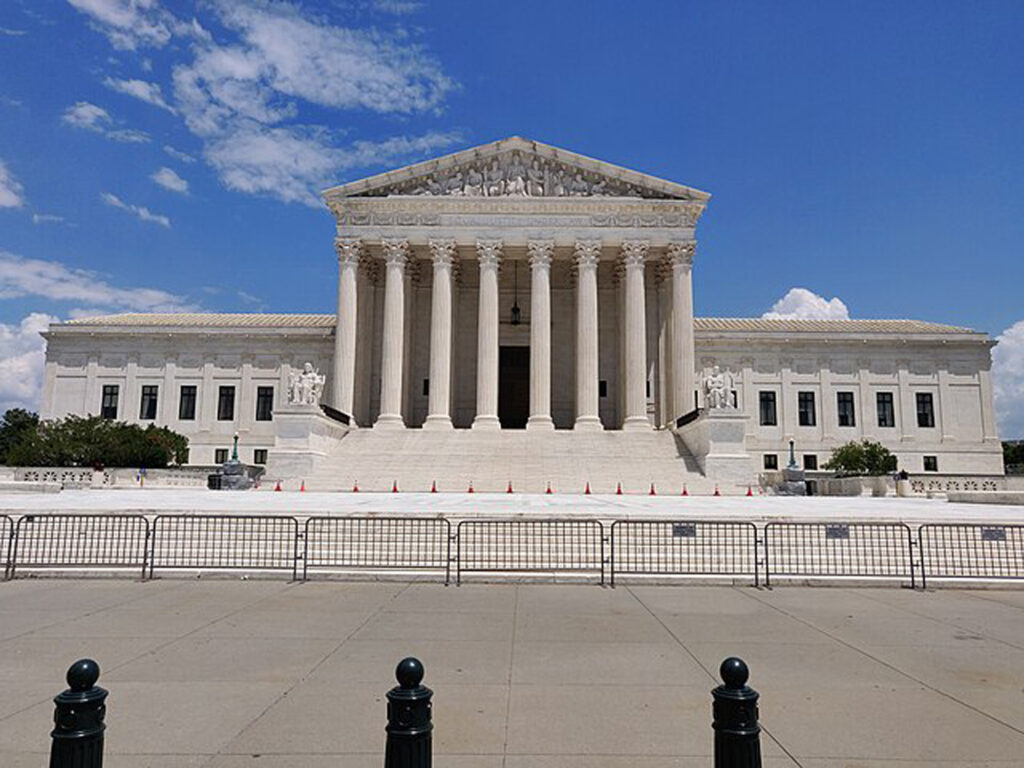
Article 3 also established the jurisdiction of the Supreme Court, which is its legal ability to hear a case.
Original jurisdiction means the case goes directly to the Supreme Court. The court has original jurisdiction over cases involving ambassadors, cases between the US and one of the states and cases between a state and the citizens of another state or noncitizens. These cases are very limited in scope and represent the fewest number of Supreme Court cases. According to the Supreme Court Historical Society, the court usually sees one to five of these each term.
Appellate jurisdiction is how most cases get to the Supreme Court. After exhausting appeals in state courts or lower federal courts, the losing party can seek a writ of certiorari, asking the Supreme Court to review the case. The Court decides which cases to hear, selecting only a small fraction, approximately 100–150 of the over 7,000 cases it receives according to the U.S. Courts website.
In 1803, the Supreme Court decided a key case that expanded its power. In Marbury v. Madison, the court ruled that an act of Congress was unconstitional for the first time, establishing the principle of judicial review — the power to review laws, executive orders and government actions and declare them unconstitutional – which serves as a check on the power of the legislative and executive branches.
In early 2025, Vice President J.D. Vance said on X: “Judges aren’t allowed to control the executive’s legitimate power.”
Hettinger said that it’s important for the rule of law that the public sees the judicial branch as having legitimacy as an institution.
The idea of legitimacy “goes to this kind of well of deep reservoir of good, reserve of goodwill… so that even if you don’t like a particular ruling, or maybe even a particular series of rulings, you still basically buy into the legitimacy of the institution,” she said. Political rhetoric rejecting the court’s role in the process, like Vance’s post, can be damaging. “I think that the public is sensitive, and there are things that can happen politically that can absolutely damage the legitimacy of the court, can dig into that well of or reservoir of goodwill,” Hettinger said.
Connecticut Attorney General William Tong said that statements like Vance’s can misinform and confuse the public, leading to more distrust in political systems.

“By just saying it, he puts it into the ether and then social media turbo charges it,” he said. “It morphs like a virus or mutates into something that starts to have more credibility on social media and before long, even people of good faith are like, ‘wait a second, doesn’t that make sense that the president was elected to do a job and we should just let him do his job, right?’”
While the Supreme Court can serve as a check and balance on the other two branches through judicial review, this process can take years according to Connecticut ACLU Legal Director Dan Barrett.
“When the government does something wrong, it takes a very long time” to get a remedy, Barrett said. “If this government is increasing its volume and scale of violations, then there’s going to be broader and broader chunks of America that have been wronged and are awaiting or will ultimately be denied a remedy.”
—by Mikayla Bunnell, UConn Journalism
You must be logged in to post a comment.